
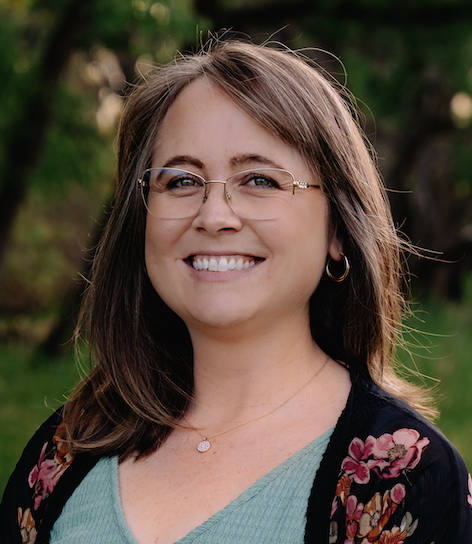
In venture capital, the dominant metaphor has always been the hunt. Investors scan the horizon for the next unicorn, swoop in, extract value, and move on. It works well in dense ecosystems where deals are abundant. But Baylie Evans, Managing Director of gBETA Wyoming, operates from a different instinct entirely.
"I like to think of my job in Wyoming as a gardener," she says. "I'm planting hundreds of seeds and then watering them and nurturing them and helping them grow."
That shift in metaphor carries real strategic weight. And for anyone building innovation ecosystems outside coastal tech hubs, it's worth pausing on.
The Math, Milestones, and Metrics Nobody Taught Them
gBETA Wyoming is a seven-week pre-accelerator powered by gener8tor and sponsored by Microsoft. It's free for founders and takes no equity. The goal is straightforward: teach the fundamentals of venture capital to people who may have never considered it as a path, and let them decide if it's right for them.
Many don't know the rules of the game. Not because they lack ambition, but because those conversations rarely happen in Wyoming the way they happen in San Francisco or New York.
"If you can build a company without venture capital, you absolutely should. Venture is for when you need to grow really big, really fast, because competition is chomping at your heels."
That framing matters. gBETA isn't a funnel designed to push every founder toward institutional investment. It's an education program designed to give founders real information so they can make informed choices about their own companies.
Microsoft's sponsorship structure reinforces this. The tech giant funds the program to spur local job growth and innovation, without taking equity from the founders who participate. The incentive is economic development, as well as nurturing deal flow.
When Personal Problems Become Global Markets
Two companies from recent gBETA cohorts illustrate what "gardener" leadership actually produces.
The first is a founder who lives with diabetes. He built a solar-powered, rechargeable cooling device for insulin storage because he needed one. Cold storage for insulin is a genuine global problem, affecting millions of people. He wasn't chasing a market trend. He was solving his own problem, and Baylie helped him see that the solution had reach far beyond himself.
The second is Frog Creek Partners. They developed the Gutter Bin, what amounts to a "coffee filter" for storm drains, designed to catch pollutants before they reach waterways. What started as a Wyoming-focused environmental solution has since scaled to a national audience. The technology is simple, the need is universal, and the company exists because someone was paying close attention to a local problem.
Neither of these companies came from a pitch competition at a major tech conference. They came from people who noticed something broken in their immediate world and had the support to take it seriously.
A Message to Investors and Ecosystem Builders
Baylie's sharpest advice is directed at the people writing checks and developing economic development support programs.
Move toward the nurture model. Help founders build their teams from the ground up. Help them develop go-to-market strategies. Stop waiting for a finished product to appear at your door and start asking what it would take to help one get built.
The infrastructure for that kind of investing already exists in places like Wyoming. gBETA is running cohorts. HeroX solvers are submitting to NASA challenges. The June 11 Startup Showcase at Laramie County Community College in Cheyenne will put the latest cohort in front of the community to pitch what they've built.
The frontier isn't empty. It never was.
Watch the Full Episode
The conversation with Baylie Evans goes deeper on everything covered here: the specific mechanics of how gBETA structures its seven-week program, how Microsoft's sponsorship model could be replicated in other regions, and what she's learned from hundreds of founder conversations across Wyoming.
Watch the full episode below and follow along as the Speaker Series continues to spotlight the builders and ecosystem architects changing the way we think about where innovation comes from.
Applications for the fall gBETA Wyoming cohort are opening soon. If you're a founder in the region, or know one, this is the moment to get in the room.
Resources
RSVP for the June 11 gBETA WYoming Spring 2026 Showcase
G Beta Wyoming Program - https://www.gener8tor.com/gbeta/wyoming
Laramie County Community College - https://lccc.wy.edu
Generator Inc. - https://www.gener8tor.com
The HeroX Speaker Series features conversations with innovators, challenge designers, and ecosystem builders from across the open innovation world. New episodes drop regularly.