
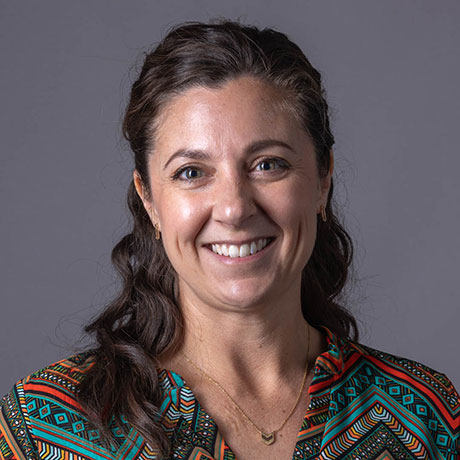
At HeroX, we believe the most powerful innovations often come from unexpected places. That's why we sat down with Lindsey Stutheit, Director of Entrepreneurship at Laramie County Community College (LCCC) in Wyoming, to explore a counterintuitive truth: in a state with one of the lowest entrepreneurial cultures in America, some of the grittiest problem-solving is quietly happening everyday.
Innovation That Doesn't Call Itself Innovation
In Wyoming, innovation doesn't arrive with pitch decks or venture capital fanfare. It emerges from necessity. When Lindsey describes the innovators she works with, she explains they often don't even recognize themselves as entrepreneurs. "They don't even think of it as that," she says. "It's more of that Western bootstrap. ‘It needs to be fixed, and I'm fixing it.’"
This mindset, pragmatic, personal, and deeply rooted in community needs, creates a unique challenge for supporting rural entrepreneurs. These are people solving real problems that directly affect their neighbors, but they're doing it in isolation, often battling imposter syndrome and a fixed mindset that says, "I need to figure this out on my own."
Small Money, Massive Impact
In the world of Silicon Valley startups, $5,000 barely registers as seed money. But in rural Wyoming, that same amount can be the difference between survival and shutdown.
"There is this incredibly thin string sometimes where if we have an extra $5,000, we get to progress and grow and move forward, and without the $5,000 we're done," Lindsey explains. That small grant might fund a patent filing, essential equipment, or legal services; seemingly modest expenses that represent insurmountable barriers for bootstrapped innovators.
This reality aligns perfectly with HeroX's experience. We've seen how targeted prize money, like funding from the NASA Watts on the Moon Challenge, has helped startups survive critical moments. Whether it's a $5,000 community grant in Cheyenne or a challenge prize from a global organization, the principle remains the same: sometimes the right amount of money at the right moment changes everything.
Building Infrastructure Where None Exists
LCCC's approach goes beyond funding. In a state where distances are vast and resources scattered, they've created shared infrastructure that would be impossible for individual entrepreneurs to access on their own. The Advanced Manufacturing and Materials Center (AMMC) offers capabilities like 3D printing and injection molding - tools that help innovators move rapidly from concept to market testing without relocating to a tech hub.
But perhaps Lindsey's most crucial role is what she calls "project managing a connection." In rural communities where isolation is both physical and cultural, she actively works to build networks, deliberately connecting innovators with local peers and resources. It's a process she jokingly refers to as "Kevin Bacon-ing": creating degrees of separation that make the entrepreneurial ecosystem feel achievable rather than intimidating.
Meeting Entrepreneurs Where They Are
The digital age hasn't erased the importance of traditional outreach in rural America. Lindsey has discovered that while LinkedIn and online networking dominate urban entrepreneurship, Wyoming innovators respond to seeing their neighbors' success stories in print, in a magazine at the dentist's office or the local chamber newsletter.
This isn't technological resistance; it's cultural fit. When entrepreneurs recognize innovation as part of their "Western bootstrap" heritage rather than something foreign or elite, they're more likely to seek support and connection.
The Real Definition of Entrepreneurship
"I'm not afraid of making a complete fool of myself or a mess, and mistakes, so naturally, you get involved with entrepreneurs," Lindsey laughs. But beneath the humor lies a profound insight about entrepreneurial spirit. True entrepreneurs aren't reckless risk-takers; they're meticulous risk accountants, thinking through every variable, planning for every contingency, and moving forward despite uncertainty.
In rural Wyoming and communities like it across America, this spirit thrives quietly, one problem solved at a time, one community helped, one bootstrap pulled tight.
Ready to find the "Western Bootstrap" solution for your next big challenge? Watch the full conversation with Lindsey Stutheit below, and discover how crowdsourcing with HeroX can connect your organization to problem-solvers who embody true entrepreneurial grit, no matter where they call home.