
While the stereotypical idea of computer coding involves hacking, in reality there are so many good uses for it. From keeping security systems running to helping administrators with hospital records, a well-debugged code is a useful tool even if you don't know the first thing about C++. After all, think of how many of us depend on commercial computer programs for our workplace and home.
But there is a growing concern that as codes get complex, even the best name-brand companies can't keep up. That's why in recent years, several companies have introduced reward programs for people who spot vulnerabilities in the code. This recently led to United Airlines awarding two computer programmers a million flight miles each -- the equivalent of dozens of typical flights.
While the reward may seem a lot, think about how crippling a crash in United's website would be. Not only are there millions of dollars lost, but cancelled flights, angry customers and a fragile reputation. In the end, ignoring these vulnerabilities is bad for the company, its users and also its shareholders. And it is not alone in this thinking.

Good computer coding is good for an infinite number of uses. Credit: Wikimedia Commons
Many big tech companies of stature have these sorts of "white hat" programs. Google has a "vulnerability reward program" for problems spotted on the websites google.com, youtube.com or blogger.com, with individual awards ranging up to $20,000 each. In June, the company also said it would have a similar program for Android (mobile devices), which shows how seriously it is taking security on those things in our pockets.
At Yahoo, rewards for its "Bug Bounty" program go as high as $15,000; so far, 523 hackers have been rewarded for their service. (This program was introduced in 2013 after the company was criticized for only offering T-shirts as rewards.) Facebook is among other companies offering these services, wihch drew the attention of a blogger at TechRepublic.
"It's kind of ingenius, if you ask me," Toni Bowers wrote. "Ask the IT community, a people who would rather find fault with something than breathe, to isolate flaws in your system. And then pay them for the info!"
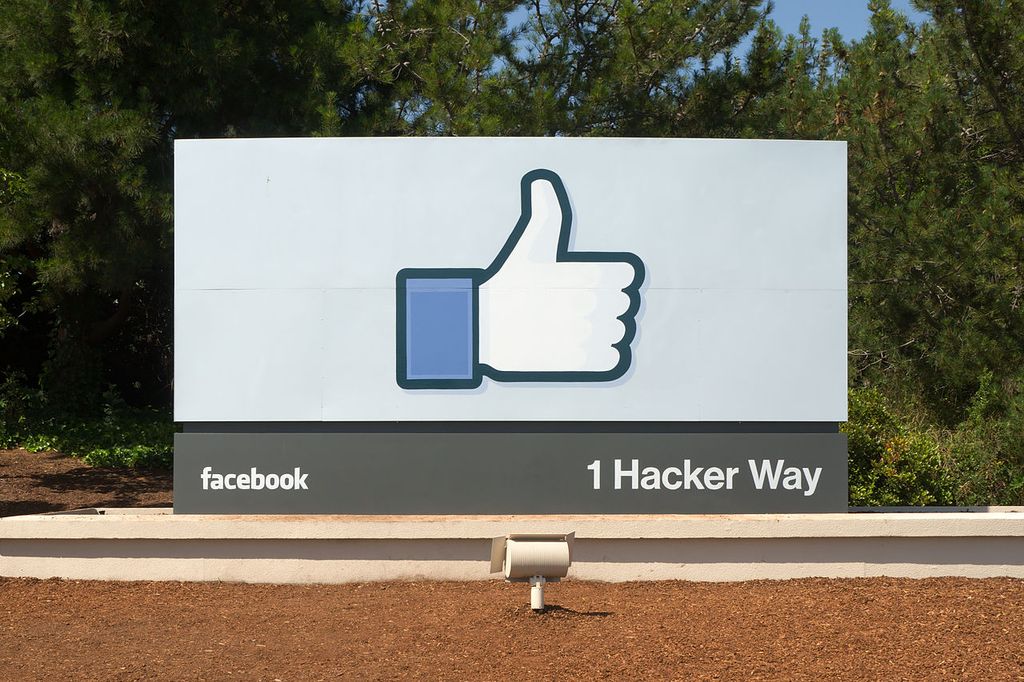
Facebook is among the company encouraging people to come forward if they spot vulnerabilities. Credit: Wikimedia Commons
As computers become more prevalent in our everyday lives, programs like this could become more important. Imagine connected smart appliances such as fridges, or those programmable locks on your front door, or security cameras that sense activity in the house. The technology can work for you or against you (such as the cameras being exploited by robbers to see when people are around.)
Is ethical hacking the way to go, or are companies relying too much on Good Samaritans to help them out? It's hard to say. There are stories of operating systems being shipped too soon, and critical flaws somehow escaping notice that can do something such as reboot an iPhone. While no system is free from human error, there is the danger of hoping for help rather than doing the right work ahead of time.
Do you have an idea to ethically hack? Let us know by launching a HeroX challenge.
Top image: Wikimedia Commons