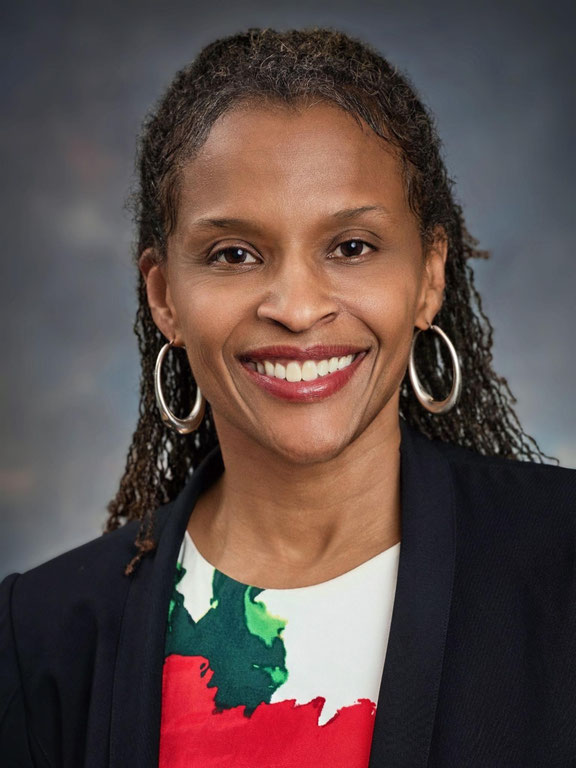
Ask Shelli Allen what her job is, and she keeps it simple. As VP of Student Success and Engagement at Johnson County Community College (JCCC), she is responsible for "all things related to students getting in school and staying in school." That covers admissions, advising, financial aid, counseling, career services, and access services. About 250 people work in her division, and the largest community college in Kansas, with roughly 20,000 students, depends on them.
In this episode, Shelli talks about what it takes to keep students connected, why her field is being reshaped by AI, and how a community college might look in ten years if we dare to design it differently.
Giving Students a Reason to Stay on Campus
Retention starts with a simple question: why would a student be on campus when class is over? Shelli's team works to answer it with events like Fall Fest, where clubs and organizations recruit in the courtyard, and Discovery Day, a first-of-its-kind event that drew about 1,800 students. Faculty staffed tables to talk about their programs, and local high school students came to see the college in action rather than sit through a recruitment presentation.
Discovery Day reflects JCCC's guided pathways approach. Students pick a broad area of interest, such as STEM, healthcare, or social sciences, before they have to commit to a specific major. That keeps them from spending two years collecting credits that lead nowhere.
The goal, Shelli says, is completion. She makes the point plainly about student debt:
"The loans work if you finish the degree. If you don't finish the degree, then you're in trouble."
The Widest Age Range in Higher Ed
Community colleges serve people at every stage of life, and JCCC leans into that. Students range from 16-year-old homeschoolers to retirees paying five dollars a credit hour to fill open seats. Last year, the student senate president was a 17-year-old high school student taking afternoon classes. His vice president was a 65-year-old retired engineer who wanted to experience college the way he couldn't the first time, focused on getting involved instead of just passing classes.
Shelli has a big idea that grows out of this: an activity center on campus for older adults, something closer to summer camp than senior daycare, with yoga, mahjong, and pairings with first-year students. Her reasoning:
"Every young person needs to have a senior in their life."
She calls it a crazy idea. It also happens to be the kind of thinking that makes an institution stand out in a community that already funds it through local taxes.
A Generation That Needs Intentional Connection
One of the more thoughtful parts of the conversation is about students shaped by COVID. Shelli recalls a pair of students at her previous school who pitched an app to help classmates find each other and form study groups. They saw a gap and designed a fix without ever framing it as a deficit in their generation.
At JCCC, the team now acts on the same insight. The intake survey asks students whether they are concerned about making friends. Those who say yes hear from student ambassadors before classes even start. Shelli says today's incoming students need connection built for them in a way she hasn't seen in her career.
Letting the Robots Find the Patterns
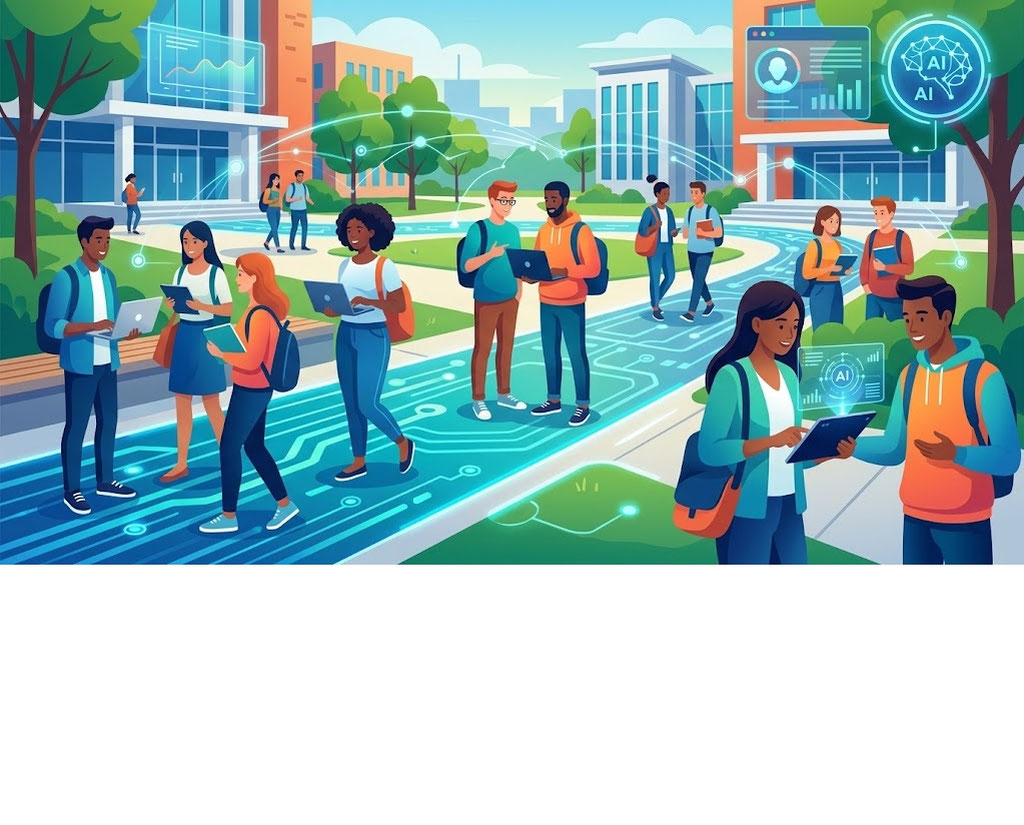
JCCC is also rolling out an AI-based CRM. It went live in May for recruitment, and retention comes next. Imagine knowing that a student came from a particular high school, arrived with a 2.7 GPA, wants to go into nursing, and earned a C in anatomy and physiology. Now imagine reaching out to everyone in that situation with the right message at the right time.
Shelli is clear that people stay in the loop. In her words:
"Let the robots do the mundane and let the people do the meaningful."
AI is also helping the college fight a serious problem: fraudulent applications for admission and financial aid, from bots and from real people with no intention of attending. The college hired a dedicated fraud specialist, and AI flags the patterns so his time goes to the cases that need judgment.
Jamie Elliott, host of the series, describes a parallel experience on HeroX. When anyone can paste a challenge brief into an LLM and submit the output, platforms have to adapt, and HeroX now builds in detection and requires video submissions. Shelli shares a cautionary example from the other direction: a private university that now locks students in rooms for three-hour essay exams instead of rethinking its assignments.
Why This Conversation Matters
Whether you run a college, a nonprofit, or an innovation program, the same questions show up. How do you build engagement across people of very different ages and goals? How do you use AI to free up your team for the work only humans can do? How do you adapt your design instead of simply tightening control?
Shelli's answers are practical, funny, and grounded in a real love for the students she serves. She also shares ways to get involved with JCCC, from athletics to the foundation to its supportive education programs.
Watch the full episode below to hear Shelli's story, and share it with someone who is rethinking how their organization engages the people it serves.
External Links