
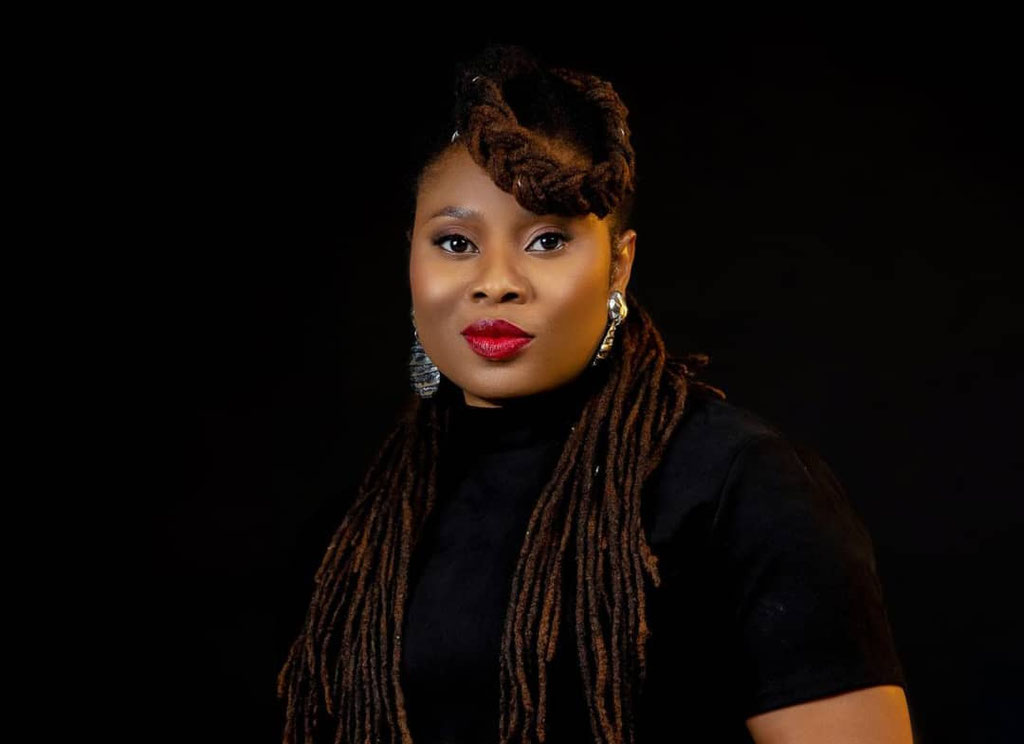
Nelly Kalu didn't set out to be a journalist. She started as an engineering student who suspected early on that engineering wasn't her path, while hosting radio talk shows on the side. The side project became the career. Years later, the engineering brain she thought she'd left behind came back in a place she never expected: building tools to help journalism survive itself.
Today, Kalu is Product and Innovation Manager at the Center for Collaborative Investigative Journalism (CCIJ), a newsroom with no staff journalists. CCIJ partners with freelance and local reporters worldwide, especially in underreported regions, turning their investigations into stories told through text, data, and immersive formats. Kalu joined as a project manager and editor. She's now CCIJ's first and only product innovation lead, a role she had to invent, starting with a hard realization about fact-checking itself.
The problem with being right
Kalu spent years fact-checking before moving into product work. It taught her something most institutions still haven't absorbed: telling people the truth doesn't reliably change what they believe. Correct someone's trusted source and you're not just disputing information, you're implying they were gullible to trust it. That framing guarantees defensiveness, no matter how solid the evidence is.
That insight reframes the entire premise of disinformation work. Instead of asking whether a claim is true or false, Kalu started asking why people believe it: what fear or grievance the claim is actually answering. That question became the foundation for ElectionWatch, the AI tool CCIJ built after a year-long investigation into disinformation around Nigeria's 2023 presidential election. ElectionWatch doesn't fact-check. It analyzes social narratives across languages and platforms, including TikTok and Telegram, and surfaces the sentiment underneath them, so journalists can report the real story instead of refereeing claims.
"It's not a true or false. It's, why is this true? All the data is handed over to the journalists to do that job. The tool's job is to help you see the underlying sentiments, and then you, as a journalist, can run with that."
The design is deliberately narrow. The more autonomy you hand a language model, Kalu explained, the more room it has to drift from what's true. Her team built ElectionWatch so it never generates anything new; it only surfaces what already exists. The judgment, the actual journalism, stays with the human.
A vantage point most newsrooms don't have
Asked whether her perspective as a Nigerian journalist gives her something Western newsrooms lack, Kalu's answer was unequivocal. She's watched democracy erode and recover in a country that has lived through dictatorship and autocratic rule, so when American journalists describe press restrictions as new and alarming, those conditions were never theoretical for her.
"I have a wealth of experience. People are saying, tell me how you do it, I want to understand how I can do it better, because you still have those laws and the backing is still yours. You're just watching it erode, maybe a little quicker than you planned."
What excites her isn't being right about the threat. It's a reversal she's watching unfold. For decades, Western reporters parachuted into African newsrooms to direct coverage without absorbing the local expertise needed to survive there long-term. That dynamic is flipping: journalists who worked for years without the protections American reporters are only now losing have become the ones with answers.
The question no one had asked her before
The conversation's most unguarded moment came when Kalu was asked something no one had asked her before: if anyone can call themselves a journalist and claim a confidential source, how does an audience tell real accountability work apart from invention? She admitted she didn't have a polished answer, which was more useful than polish would have been. The old system, where trust came from the newsroom behind a byline, is breaking down as audiences turn to independent creators with no institutional backing at all.
"What's the foundational tech we need now for a tech-forward audience, that will make you say, I trust this journalist because they have this, this, this? I don't know that we have that. I'm a searcher, and I haven't yet found it."
What she'd actually fund
Asked to design a HeroX-style challenge for one unsolved problem in journalism, Kalu rejected the usual premise of innovation contests. She's tired of competitions aimed at workflow fixes anyone can now solve with a quick prompt. She wants a challenge for people willing to be wrong in interesting ways: the foundational technology that could define journalism's next era, for an audience that no longer waits for permission to find its own information.
It's a fitting place to land. Kalu's career has been a sequence of refusals to accept the tools she was handed: an engineer who didn't fit the mold, a fact-checker who saw the limits of being correct, now a product manager building for an industry still debating whether what the right product is. Her search isn't finished. That's what makes it worth following.
Watch the full conversation
Nelly Kalu's full conversation with HeroX goes deeper into source protection, the ethics of an unnamed tip, and what she thinks journalism's foundational technology might look like next. Watch the episode below.
External Links