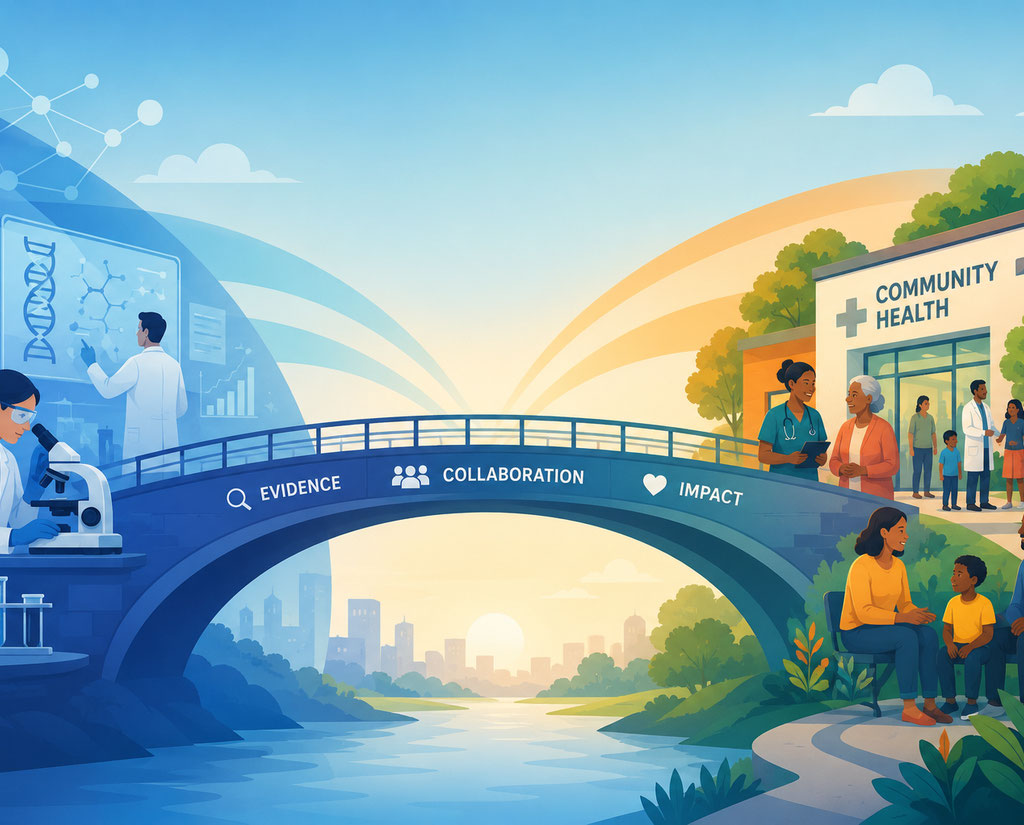
When a treatment is proven and funded, we hold a key to better health. The exciting next step is ensuring that key reaches the hands of those who need it most. This journey from evidence to action is a strategic opportunity, driven by a specialized field dedicated to making health equity a reality.
Consider an HIV prevention medication that offers over 90% protection. Science is a triumph. Our modern challenge, and our greatest opportunity, is to design delivery systems as innovative as the medicine itself. Implementation science is the study of that design, focusing on the beautiful alignment between an effective intervention and the vibrant communities it is meant to serve.
While it is a cornerstone of public health research, its true power lies in its practical application. Here is how this field empowers us to solve complex puzzles and unlock the full potential of scientific discovery.
Efficacy, Effectiveness, and the Pathway to Impact
By understanding three distinct pillars, we can create a clear roadmap for success:
- Efficacy: Confirming the intervention's power in optimal, controlled settings.
- Effectiveness: Demonstrating its value within the dynamic reality of community health settings.
- Implementation outcomes: Ensuring the work is adopted, delivered with integrity, and sustained to reach every intended person.
Standard clinical trials excel at showing us what is possible. Implementation science then steps in to show us how to make it happen. It invites us to look beyond the lab and engage with organizational growth, provider empowerment, and the vital building of human trust.
This holistic approach ensures that scientific breakthroughs don't just exist on paper. They thrive in practice. When we focus on "how it happens," we are investing in the infrastructure of hope and health.
Frameworks as Catalysts for Success
Rather than just observing challenges, researchers developed frameworks to anticipate and navigate them. These tools act as blueprints for successful integration across diverse care settings and global contexts.
The Consolidated Framework for Implementation Research (CFIR) helps us harmonize the intervention with its setting. It considers the policy, organizational culture, and the individuals involved. Similarly, EPIS (Exploration, Preparation, Implementation, Sustainment) guides us through each phase of a project, ensuring we build momentum from the first spark of an idea to long-term sustainability.
These frameworks provide a shared language for precision. They empower us to diagnose exactly how to strengthen an effort, allowing us to move from general observations to targeted, effective actions that save lives.
HIV: A Beacon for Implementation Excellence
The HIV field is leading the way in showing how biomedical innovation and implementation science can work hand-in-hand. With the advent of long-acting treatments and rapid testing, we have the tools. Now, by focusing on referral pathways and clinic capacity, we are ensuring these tools reach the communities who need them most with dignity and efficiency.
This is a story of incredible progress. It is about dedicated providers and resilient communities working together to adapt the best science to the unique needs of every context, ensuring no one is left behind.
The Power of the "Last Mile"
Investing in implementation is the ultimate way to honor scientific discovery. It ensures that every breakthrough fulfills its promise. As innovation accelerates, we have the chance to build systems that are just as fast and just as effective, bridging the gap to a healthier future for everyone.
Join us in this mission. Explore the NIH ARISE-HIV LAUNCH Challenge on HeroX and help us build the bridges that bring life-saving science home.