Water’s pretty important. From what I understand, it’s necessary for all known forms of life. According to a 2008 U.N. report, 1 billion people still lack access to safe water.
Water covers 71% of the surface of the planet. So imagine 10 of your friends are the planet. 7 of them would be water. And the 8th would sweat a little bit.
97.5% of the planet’s water is salt water. Which you can’t drink. In yet another stunning example of natural irony, drinking the most populous water on Earth exclusively will actually dehydrate you to death. Nice.
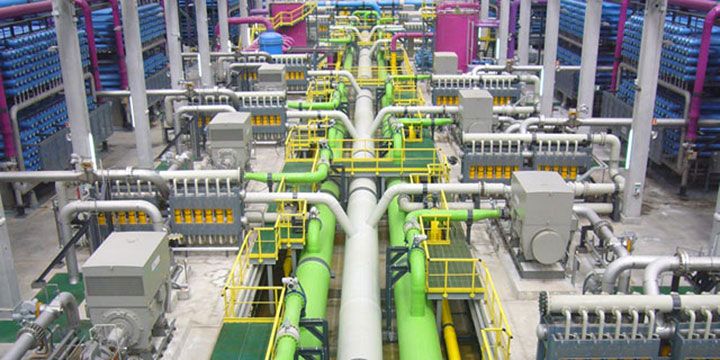
Because of the costs of taking the salt out of the salt water, most of our most voluminous resource has largely been untapped, though time-proven. And that’s not to say water is a small industry. Water production companies generate billions in revenue and most of the Middle East relies on this method of production for its potable water.
But what if the costs of desalination were reduced to a more widely feasible level?
That’s the question being asked by the Seawater Desalination Challenge. The goal of the challenge is to develop technologies capable of desalinating seawater at 10% of the cost of existing thermal and reverse osmosis desalination processes.