
In 2050, an automated ground vehicle could be passé.
“It is safe to say that we are living through the most intense frenzy of transportation creativity since the 1890s... Back then, one might happen upon all manner of experiments on any street corner...”
-Jack Hitt in the Smithsonian Magazine
You’re probably aware of the developments of Google’s "smart cars." Smart cars have even been subject to a trend of “Car Tipping” (like cow-tipping.) Jack Hitt’s comparison is fitting as we experience a collective adaptation to these strange new developments. I have no doubt that horseless carriages and their ilk were also subject to some hijinks.
But, in a world of exponential development and change, driverless smart cars may simply be part of a much larger surge in alternative transportation.
We have 34 years to go between now and 2050. For historical perspective, consider the first production vehicle, designed by Karl Benz: 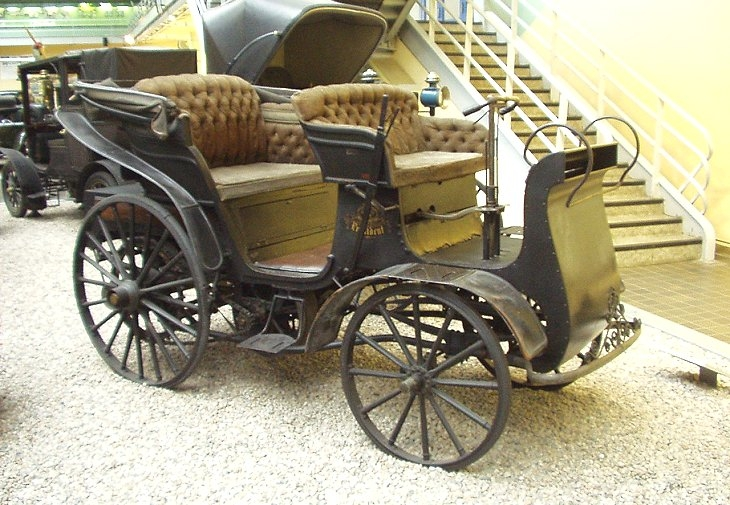
Compare that to the vehicle of 34 years later:
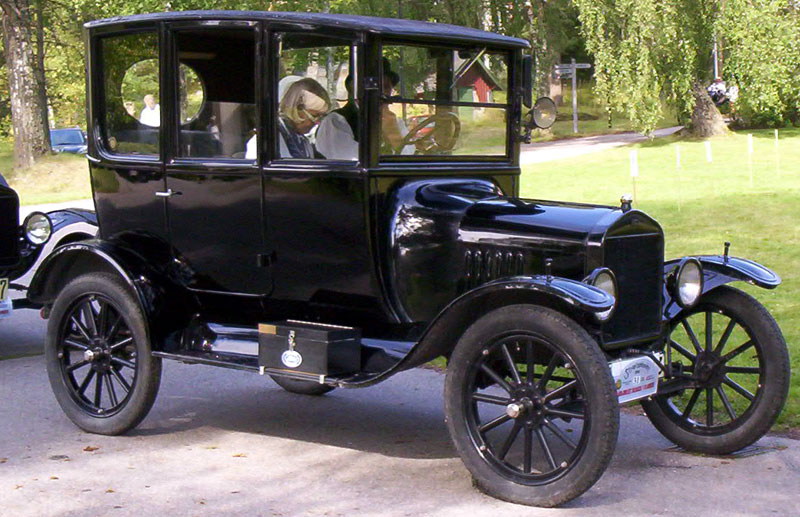
Ford’s omnipresent Model T, complete with front wheel drive, four wheel drive, and electric powered options. The changes may seem subtle, but the real difference is that between a luxury novelty and nearly universal tool.
For a different perspective of innovation compare the first cell phone, released in 1973:
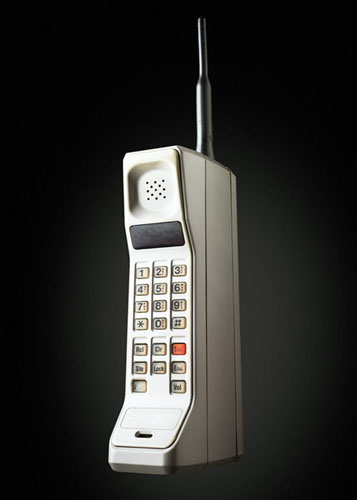
to the first iteration of the notorious iPhone, which was released 34 years later:

Now, if our smart cars look like this:
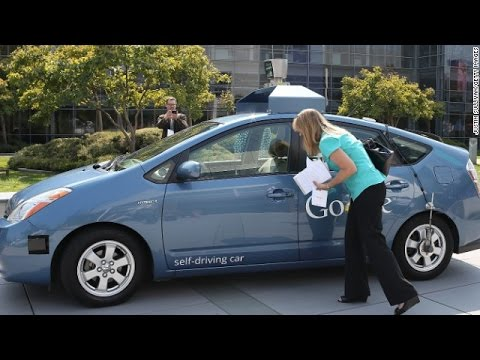
What does that mean for the cars of 2050?
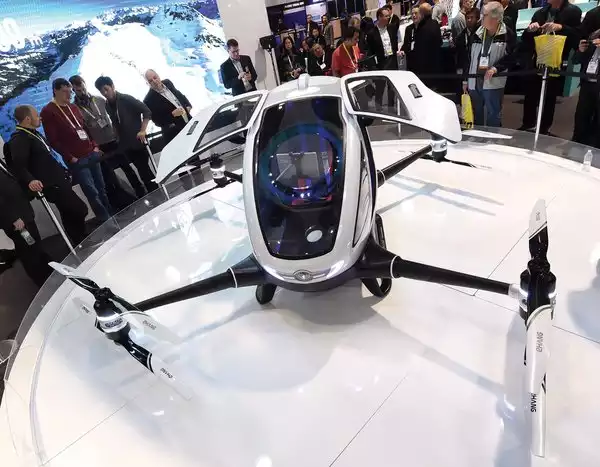
Or perhaps it's something entirely different?