It used to be so simple, so fun to take pictures. Now there are ethical considerations to worry about. Mobile phones and the various types of computers in our lives make it all-too-easy to upload compromising photos to the Internet. Just ask all the teens (and adults) who have been caught by acts such as sexting.
Even if we try to be careful about such things, privacy is not a guarantee any more when it comes to photo-taking. Automated cameras catch glimpses of us at every street corner. People take photos of everything and upload carte-blanche to the Internet, which is technically allowed legally in most places but annoying when it comes to not wanting stuff online.
And here's where stuff gets really tricky -- software is really smart these days at picking out individual faces. If we can get this sort of technology easily on Google and Facebook, think about what more advanced systems can do in the military and in security applications. But what if these image taggers get things badly wrong?
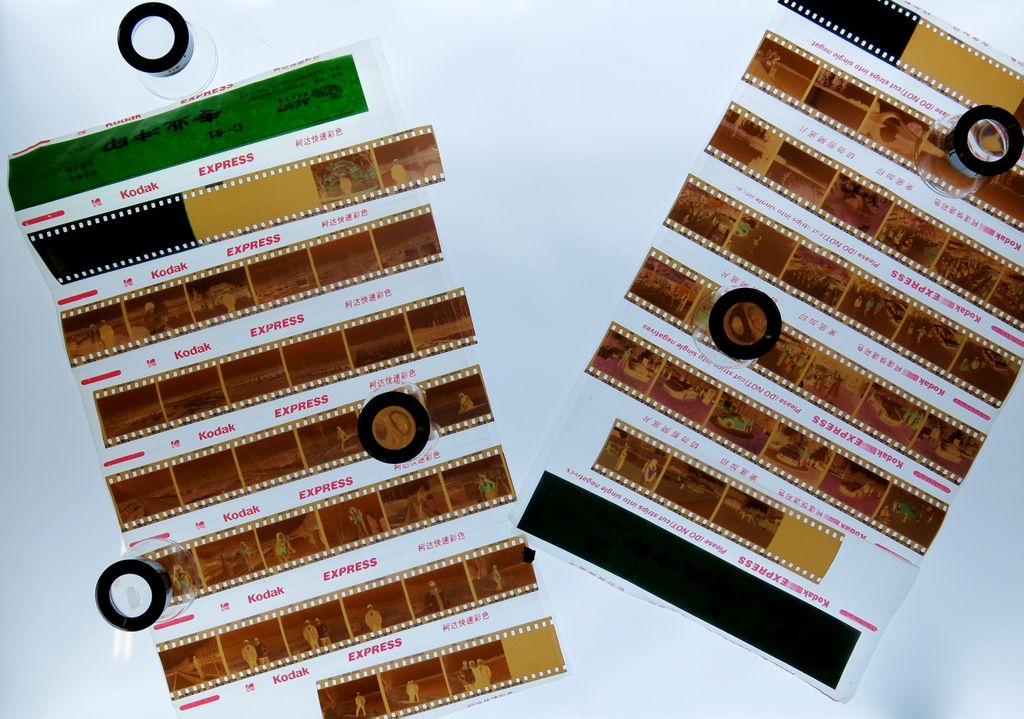
Photo use has exploded since those days, not too long ago, when we developed them from negatives. Credit: Wikimedia Commons
In early July, Google got in big trouble when Google Photos app images of black people were automatically tagged in searches for "gorillas". After a web developer told Google on Twitter, the company apologized and said it would do better, according to the Wall Street Journal.
"We’re appalled and genuinely sorry that this happened," a company spokeswoman said to the newspaper. "There is still clearly a lot of work to do with automatic image labeling, and we’re looking at how we can prevent these types of mistakes from happening in the future."
And in May, Flickr got in hot water of its own when image-tagging software labelled concentration camps "jungle gyms" and "sports", according to the Guardian. And at least one white person was labelled an "ape", the newspaper said. Flickr responded by saying the tags are automated and they would work to improve the system.
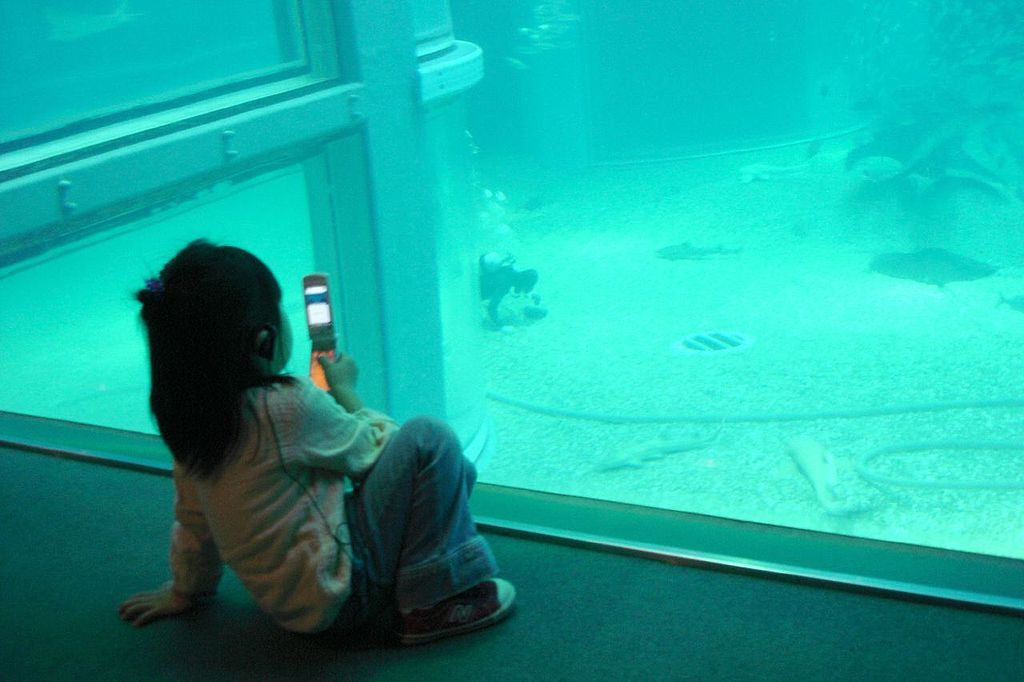
Can photo-taking ever be an innocent act again? Credit: Wikimedia Commons
If we can't even get image tagging right, how can we trust computers to make other judgment calls? Can a self-driving car really judge the difference between a pedestrian, a bicyclist and another car? So many questions arise from this situation that it's hard to know where to begin.
What are your ideas to improve computer recognition? Let us know by launching a HeroX challenge.
Top image: Wikimedia Commons