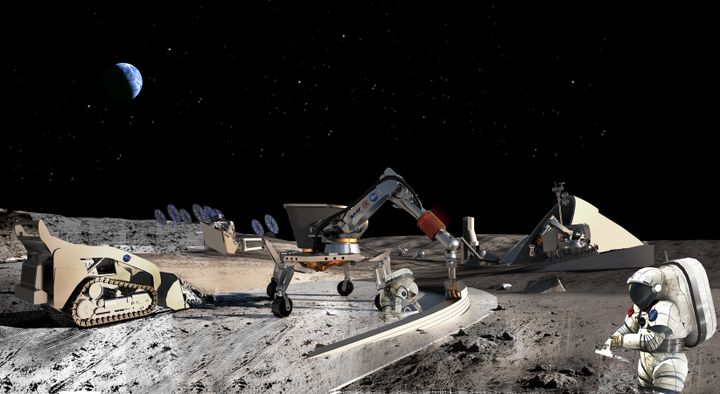
A new study says NASA can return to the moon for cheap -- but cautions Antarctica would be a poor example to follow. The study (which was done by NexGen Space LLC, but funded in part by NASA) says that it's possible to land humans again on the moon for just $10 billion if private industry is heavily used. Establishing a moon base would cost another $40 billion, the study says.
Compared to previous estimates of $100 billion for a return mission alone, the price appears just about right. What's more, the study says it would be possible to get somebody standing on the surface again in as little as seven years. The report cites numerous public-private partnerships from history as examples of how to do things right, but cautions that Antarctica is not the best example available.
McMurdo Station was first established by the U.S. Navy in 1956, and then responsibility was transferred to the National Science Foundation in 1972. (By 1982, NSF was appointed the manager of the base but with other federal government entities funding it.) However, in latter decades a prime contractor is responsible for day-to-day operations and such at the base. Lockheed Martin is that contractor as of 2013; previously, it was Raytheon Polar Services Company (in 1999).
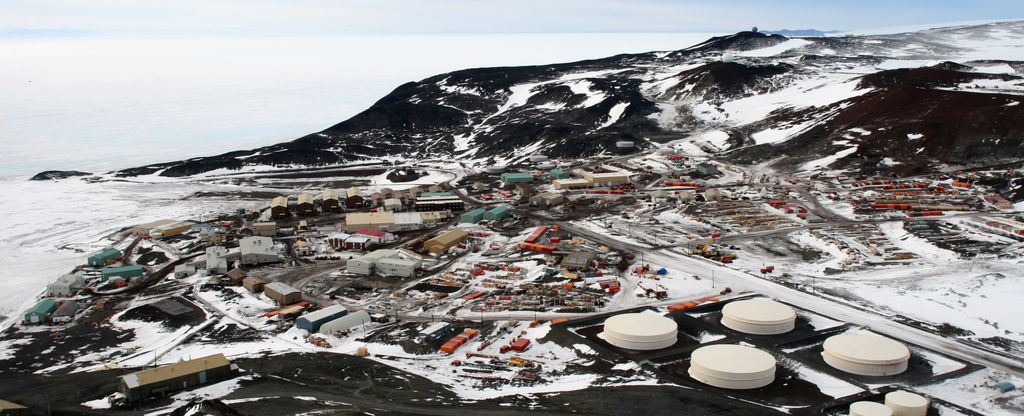
McMurdo Station in Antarctica. Credit: Wikimedia Commons
While McMurdo has hosted thousands of studies and tens of thousands of tourists, there are several issues with the site that don't make it a perfect model for space exploration, the report says. For example, there is no requirement to support commercial activity (which means that the base is not developed to its full potential).
Additionally, the cost-plus operations contract doesn't encourage companies to expand their horizons further, mining is prohibited (not giving a stream of income), and the systems integration is split between different entities, making it hard to come to decisions. Other issues include a lack of facilities for tourists (most simply sail by on a ship), cultural barriers to using economic resources and even a "lack of clarity" on how criminals would be persecuted, given it is an international territory.
"The Antarctica case provides a clear contrast to several other case studies examined herein," the report says. "Antarctic operations are a case study on how to minimize and prevent private investment in space. Antarctica illustrates what NASA should not allow to happen."
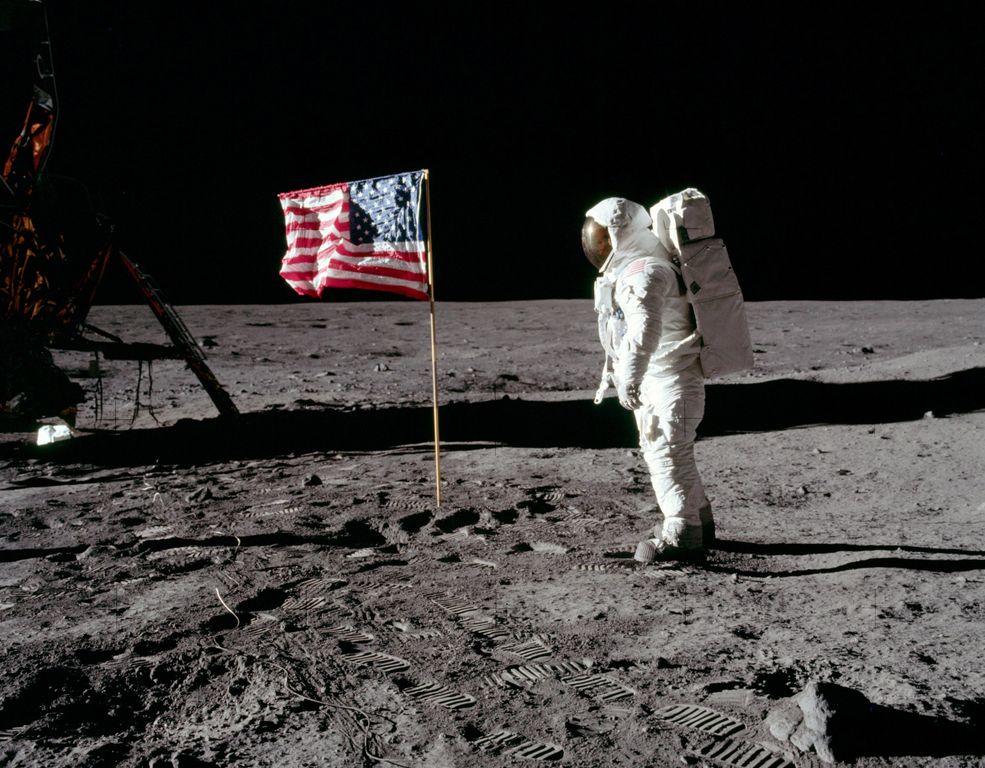
Humans visited the moon between 1969 and 1972. Credit: NASA
So what should NASA do to prevent this situation? The report advocates allowing "limited" use of private property for commercial activity such as mining, allowing private investment to build its own infrastructure, and give tourists a reason to visit the base other than science itself. Legal considerations should also be addressed early.
That said, from a preservation perspective there are questions as to how suitable this would be for lunar exploration. A couple of summers ago, the United States Congress considered a bill that would protect the landing sites from tourists by designating them as national parks. Is this the better thing to do for history, or is it best to open up the frontier to commercial exploitation? It will take much more discussion before getting to that point.
Do you have an idea to encourage lunar tourism? Let us know by launching a HeroX challenge.
Top image: Artist's impression of lunar construction. Credit: NASA