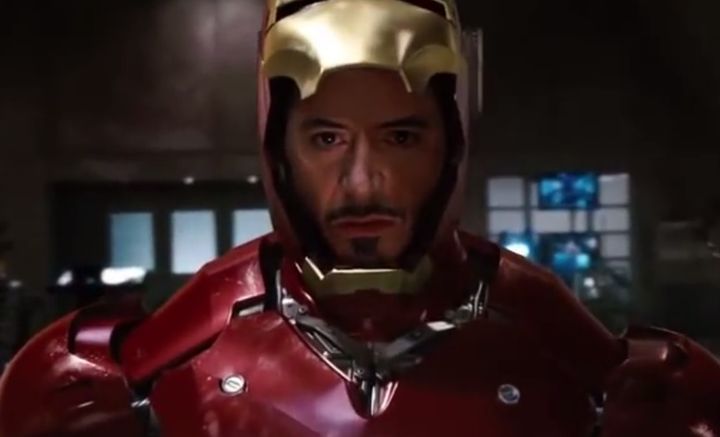
Remember those dreams of portable rocket packs in the 1960s? Now we have a new way of considering superhuman abilities. Machine technology has advanced far enough that we can consider being "Iron Men" or "Iron Women" -- people who can manipulate items far past the strength of what a typical human can do. Just pair an exoskeleton with a person, and away we go.
The latest discussion of this tech comes in association with factories, which are no stranger to automation and machines doing complex things like assembling cars. Panasonic (in collaboration with its subsidiary, ActiveLink) said that it plans to sell an exoskeleton for factory workers to pick up heavy objects, reasoning this could lessen injuries.
"Panasonic’s device is among a small but growing number of exoskeletons available commercially—less fantastic and more cumbersome versions of a technology that’s been a staple of science fiction for some time," wrote MIT Technology Review. "Though they have mainly been tested in medical and military settings, the technology is starting to move beyond these use niches, and it could make a difference for many manual laborers, especially as the workforce ages."
MIT goes on to list other entities considering exoskeletons, such as for medical applications. One technology not mentioned in the article is the X1 skeleton, being done in part by NASA. When astronauts are on other planets with lower gravities, it is thought, perhaps extra resistance could be added to keep them healthy even though their muscles don't have as much to fight against.
Simply reverse the process and then, the argument goes, it could help people who are having trouble with walking. The exoskeleton can place joints in the right spot for moving, encouraging people to stand up and move around as they normally would. While still under development, NASA said in 2013 that it was excited for the future.
"X1 could replicate common crew exercises, which are vital to keeping astronauts healthy in microgravity," the agency wrote. "In addition, the device has the ability to measure, record and stream back, in real-time, data to flight controllers on Earth, giving doctors better feedback on the impact of the crew's exercise regimen."
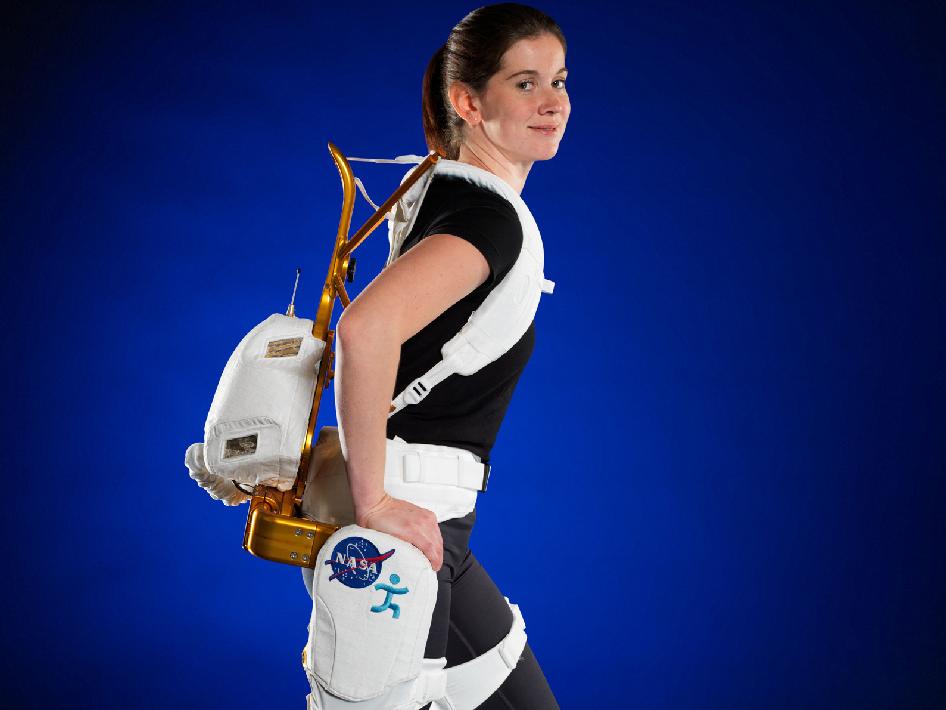
NASA is testing an exoskeleton called X2, which could help astronauts on other planets or people struggling to walk. Credit: NASA
And in the military, as Business Insider points out, exoskeletons have been a common idea for decades. One of the latest ideas is the Tactical Assault Light Operator Suit (TALOS) program, essentially making soldiers stronger and quicker. "We must give the individual soldier the same capabilities of stealth and standoff that fighter planes have. We must look at the soldier as the system," said former Air Force chief of staff Gen. John Jumper in the article.
Have you got a neat use for exoskeletons? Let us know by launching a HeroX challenge.
Top image: A screenshot of Robert Downey Jr. as Iron Man. Credit: Paramount Pictures/Marvel Enterprises