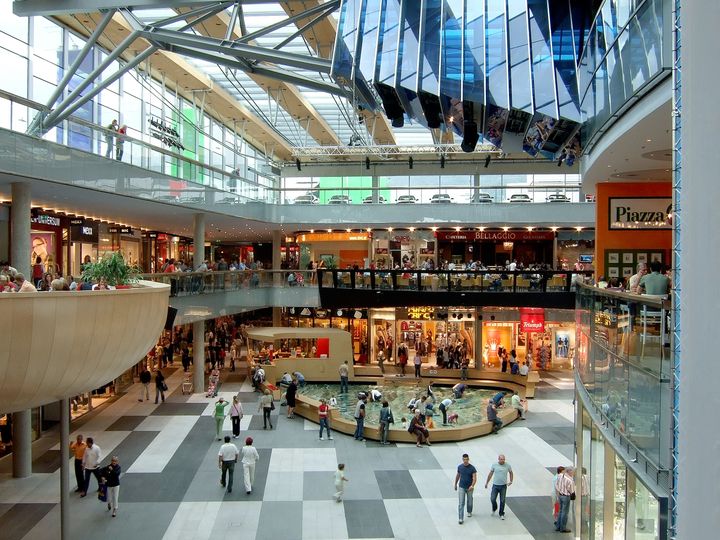
Imagine the scene: A crowded shopping mall. You're wandering around looking for the right tie or hat for the third wedding party you were invited to participate in this summer. You're tired and you've been to a few stores already, looking with no success. But as you're just about to give up, you walk past a clothing store and receive an invitation to come in. Luckily, the advertisement mentions just the item you need.
That could be the future of shopping. Many of us adore it, but many of us also dread it. All the effort of getting out to a shopping mall, parking, finding your way among the crowds and through the confusing hallways. Shopping malls are designed to confuse, to keep you walking, to make you hungry and thirsty so you'll head on down to the food court in between bouts. But shoppers are getting wary to the tactics, and retailers are hoping to figure out how to better attract them using technology.
In Australia, a shopping center giant known as Westfield (which also has holdings in the United States) has just put wi-fi networks in 21 shopping malls across the country, according to BBC. While at first this seems a great perk -- great, I can do some research on this product while I'm here! Or I can get some work done while waiting for my family to finish in the shops -- it can also be used for tracking purposes.
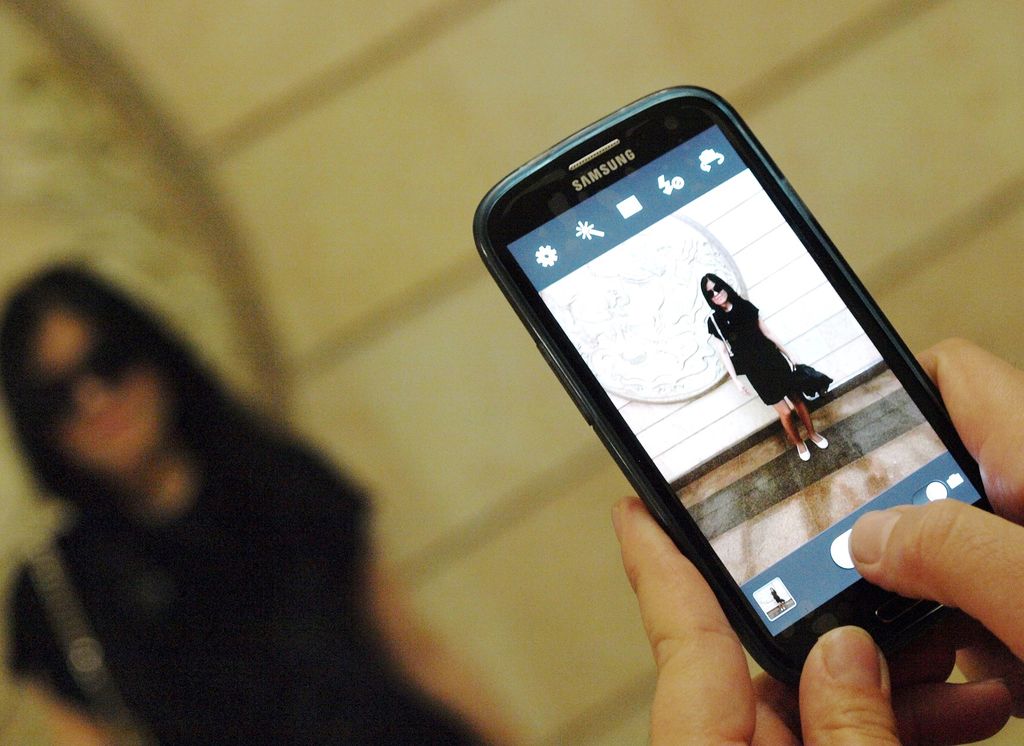
Is your cell phone watching you? Or helping you shop? Credit: Wikimedia Commons
But the wifi network is also useful for the retailers, who will be able to send automated messages as shoppers go into and leave individual stores. Over time, as mobiles are used to buy more items, the BBC says that information will also be fed into the network. Think of it like points-tracking, but on a more real-time scale.
"We want to use the data to send out compelling news, offers, fashion content and information on events from later this year via a partnership with Optus," John Batistich, director of marketing for Scentre Group (Westfield Shopping Centres), told the BBC.
In 2011, two United States malls were planning to use similar technology, but they cancelled it after complaints from Senator Chuck Schumer, according to Business Insider. Meanwhile, the United Kingdom has reportedly been using this technology since 2008, an interview in the Daily Mail says.
Who's watching us? Credit: Wikimedia Commons
Is the technology creepy, or useful? The key here seems to be informing the shopper of what is going on. Signs are a good start. Explaining when you sign in to the network would be a better one. And best of all should be the option to opt out. We can refuse to sign up now for frequent-flier points or frequent-shopper programs if we are concerned about tracking; the same should be true of cell-phone tracking.
There are, however, apps that encourage you to sign in and explain where you're going. One of the most popular ones is Foursquare, which retailers constantly take advantage of. Frequent shoppers at establishments, or frequent eaters at restaurants, can be offered coupons. What you give up is privacy, and what you receive is a monetary benefit in return.
Is that enough of a tradeoff to participate? It should be up to the individual. What's known for sure is the technology is there; it's a matter of figuring out if it is wise to use it, and how best to use it.
Top image: Retailers are eager to find out how shoppers browse around shopping malls. Credit: Wikimedia Commons