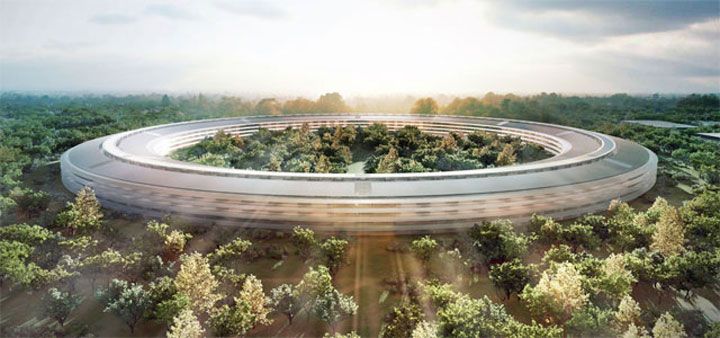
Steve Jobs
When Steve Jobs was designing the headquarters for Pixar in 1999, he chose to build a huge building where everyone would pass through a central atrium, so as to increase random encounters.
Thomas Jefferson
Thomas Jefferson had created the same effect when he designed a grassy quadrangle for the University of Virginia, an area where students and faculty from all sorts of disciplines can meet and meander.
Coffee Houses
Similarly, the concept of the Viennese Coffee House was one where people came from all walks of life, and interacted over coffee and strudel, chess, playing cards and reading the news. Writers, philosophers and businessmen would gather, gossip and have world-changing conversations. Indeed, the New York Stock Exchange and the Bank of New York were both started in coffeehouses on Wall Street.
Middle Spaces for Social Innovation
Middle spaces are important when dealing with social innovation. By creating a social middle space, ideas are able to germinate and flourish. As it is no one’s personal domain, there is usually an unspoken rule of egalitarianism, where everyone can have an equal say. When designing a solution for a social problem, it is sometimes important to think about harnessing the human flow and enabling people to talk with other people in a safe space.
Conclusion
Other times, these middle spaces are a prime location for executing a solution, because of the sheer amount of foot traffic. Just think: the town square is probably a better place to set up a water filtration system than some side street in a bad part of town.
How can you engage a physical space to effect social change?