Is it possible to turn dirty water into fuel? It sounds like a utopian pipe dream, but it may be closer to replacing that old power plant than you think. Heard of methane digestion? If you have, you probably didn't know it could power a city.
Methane digestion takes place when waste (often animal manure) is treated, then contained, in a sealed vat. As the waste breaks down, it is allowed to release methane gas, which is then harvested. The captured gas can then be utilized as a fuel. Like natural gas, methane provides energy for heat, cooking, transportation, and even household electricity. Unfortunately, the conventional process requires acres of space and weeks of digestion. Limited time and space has prohibited methane from becoming a major alternative energy source.
Those past limitations may become obsolete, thanks to the Cambi Thermal Hydrolysis Process. Using this new process, methane extraction from a wider variety of waste products is now possible. This process not only creates a sustainable alternative fuel, it also reduces the amount of waste from the harvesting process.
Cambi creates fuel while performing three vital functions:
While a more common source of methane is the waste collected on dairy farms, there is a more locally available source. Reservoir and septic water, as well as solid waste, all contain the components necessary to generate methane.
It’s not just the fuel, either. The Cambi Method reduces the overall output of solid waste. The treatment process also accelerates the detoxification and purification of recycled water.
Think of it as pasteurization, but instead using a gradual cooling process, the waste “sludge” experiences a rapid drop in pressure and temperature. This drop causes an accelerated form of particle decomposition, known as thermal hydrolysis.

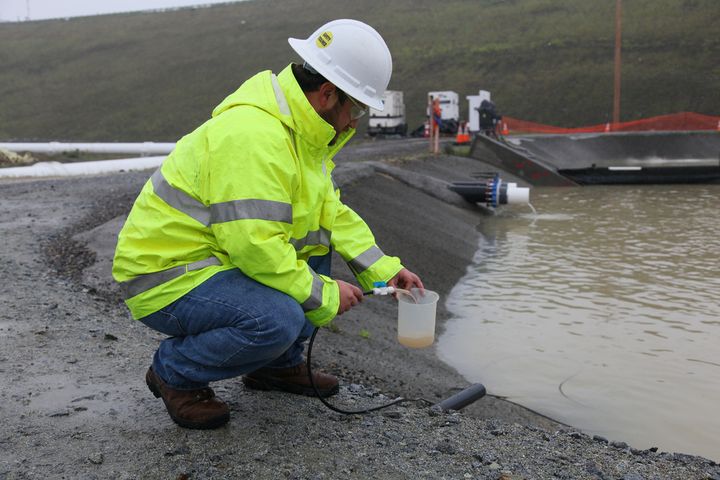
Blue Plains Treatment Center in Washington DC (pictured above) uses the process to create Class A Biosolid Fertilizers in addition to methane fuel and electricity. That's a true win-win zero waste solution.
Whatever type of infrastructure you’re imagining for 2050, be sure to keep in mind the potential for a new world full of Cambi digesters. Imagine a 2050 where cities recycle and create their own water, fuel, electricity, and fertilizer.