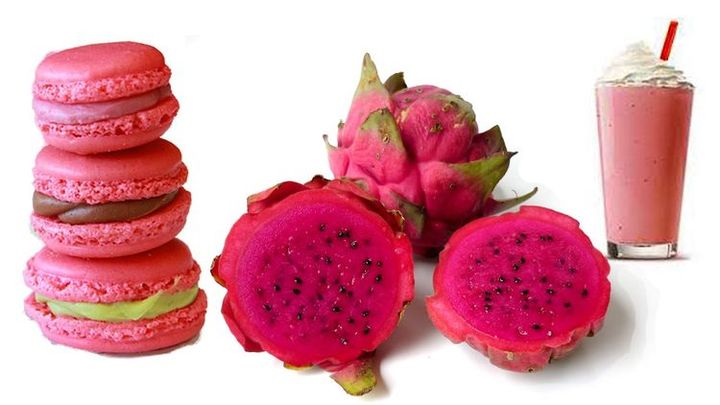
Today, consumers are becoming increasingly concerned about the kinds of things that are being put into their food. Between a growing move towards organic and locally-sourced food, there is also the drive to replace things like artificial preservatives and colorants with healthier, natural alternatives. These efforts generally fall under the heading of "clean label", which emphasizes natural, safe, and healthy food additives instead of synthetic ones.
However, these efforts are often complicated by the fact that there is currently no legal definition for "natural" when it comes to food additives. What's more, naturally-sourced ingredients are often an unappealing alternative, being too expensive, ineffective, or coming with their own share of associated health risks. Hence why Viveri Food Colors, a division of the Day-Glo corporation, has launched the Natural Red Food Color Challenge.
As a leading supplier of food colorants worldwide, Viveri is looking for a food dye that is effective, cost-effective, and consistent with the spirit of "clean label" foods. Specifically, they are looking for a healthier, market-friendly alternative to the most popular food colorant on the market - red food dye. Currently, there is no FDA-approved natural alternative to synthetic red colorant, and none of the existing alternatives appear to be practical.
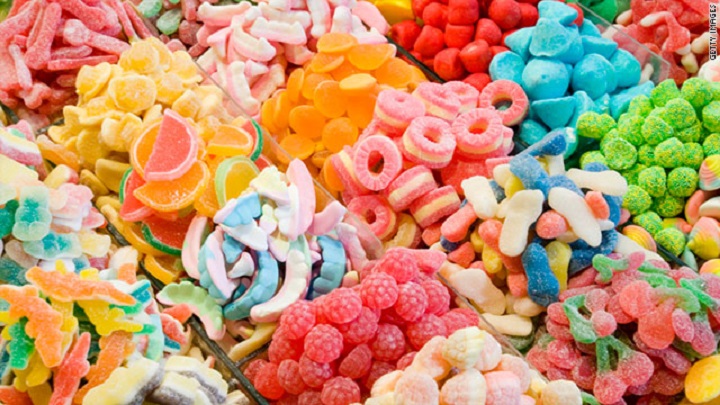
Artificial colors are used in a variety of food products, leading to demands for natural alternatives. Credit: cnn.com
While beet juice is a popular alternative to red food dye, it lacks the stability to be used in many products, mainly because it breaks down at high temperatures and when exposed to water. Insect and plant-based dyes (known as carmines and cartenoids) do not currently conform to "clean label" standards. And fruit and vegetable-based dyes only work in low pH systems, which rules out a significant amount of beverages on the market.
With a prize of $100,000, this challenge is open to anyone who can create a stable, natural and cost-effective red food coloring that can be used for any application - especially the more difficult ones, such as pet foods, dairy products, cereals and baked goods. Most importantly of all, this colorant must meet with FDA-approval, thus becoming the first non-synthetic, "clean label" colorant to do so.
The competition will officially kick off on April 1st, 2016, and will remain open to submissions until September 1st. Judging will begin immediately thereafter and run until December 14th, with a winner announced by January 1st, 2017. Those who are interested in participating are encouraged to register for the Challenge now.
Are you interested in clean eating or have ideas on how our food could be made more healthy? Then be sure to check out the F3 Fish-Free Feed Challenge, the What's In My Food? Challenge, the Agricultural Innovation Prize, and the Stop World Hunger Challenge.
Top Image Credit: HeroX.com