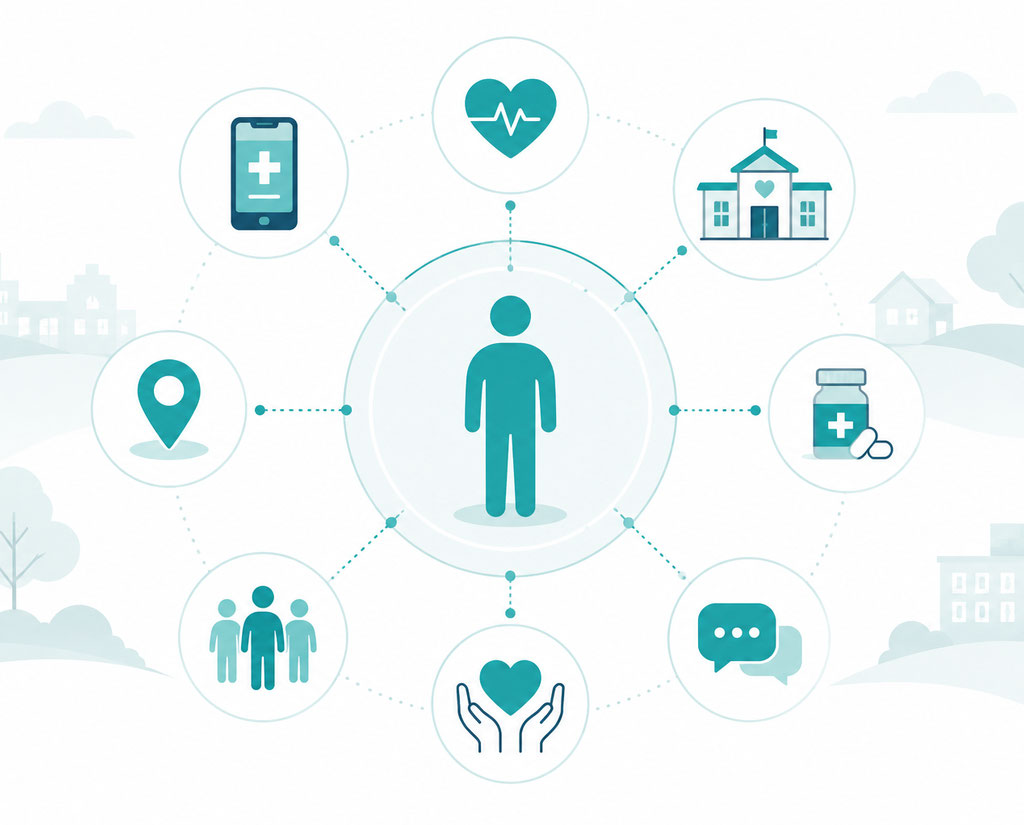
For decades, the clinic was the cornerstone of HIV treatment. This foundation was vital, providing the close oversight needed when medications were first emerging. Today, as HIV has become a manageable chronic condition, we have a wonderful opportunity to evolve. We are shifting the focus from the location of the care to the life of the person receiving it, ensuring that treatment fits seamlessly into daily routines rather than the other way around.
Imagine a health system that celebrates a patient's stability. By streamlining visits for those with a steady viral load, we unlock a precious resource: time. This allows providers to dedicate more focused energy to those with complex needs, while offering others the convenience of community-based medication pick-ups. It's an efficient, compassionate way to ensure no one is left behind.
Differentiated Service Delivery, or DSD, is the engine of this progress. It is the art of tailoring care based on individual needs, creating multiple pathways to health that are as diverse as the people they serve.
A Global Movement of Ingenuity
DSD has already shown its incredible potential in sub-Saharan Africa. Through multi-month dispensing, health systems have successfully supported millions by providing three- or six-month supplies of medication. This logistical breakthrough has not only reduced the burden on patients and clinics but has also served as a powerful proof of concept: when we innovate the delivery, we improve life.
The core insight is inspiring: by matching the intensity of contact to the actual needs of the patient, we create a more resilient and responsive health system for everyone.
Building a More Connected System in the U.S.
In the United States, this same spirit of innovation is taking root through community health worker programs and mobile clinics. We are now in an exciting phase of growth, working to weave these successful local efforts into a more coordinated, nationwide framework. It is a chance to bridge the gaps between insurers and safety-net providers to create a truly person-centered experience.
The impactful work being done today by nonprofits and clinics provides the perfect blueprint for the future. We are building the momentum to turn these improvisational successes into standard, well-resourced features of the modern healthcare landscape.
The Next Frontier: Long-Acting Injectables
The arrival of long-acting injectable treatments marks an exciting new chapter. While they offer incredible benefits, they also invite us to think creatively about delivery. Because injectables require specific care, they present a new design challenge:
- Empowering staff with specialized training for administration
- Advancing cold-chain and storage solutions in community settings
- Developing digital tools to support precise dosing schedules
These requirements are not barriers, but rather invitations to innovate. By solving the coordination needed for injectables, we are actually building the infrastructure for a more robust and flexible health system that can deliver any type of care, anywhere.
A Call for Bold Ideas
The field now faces an inspiring question: how do we combine the logistical rigor needed for new long-acting drugs with the flexibility of DSD? This is the moment for pioneers to design the systems that will define the next generation of HIV care, ensuring we keep moving forward toward greater accessibility.
The organizations leading the way recognize that delivery is just as important as the medicine itself. They are turning logistical challenges into pathways for profound impact.
If you have a vision for the future of HIV care, we want to hear it. Explore the NIH ARISE-HIV LAUNCH Challenge on HeroX and help us build a world where the best treatments reach everyone, every time.