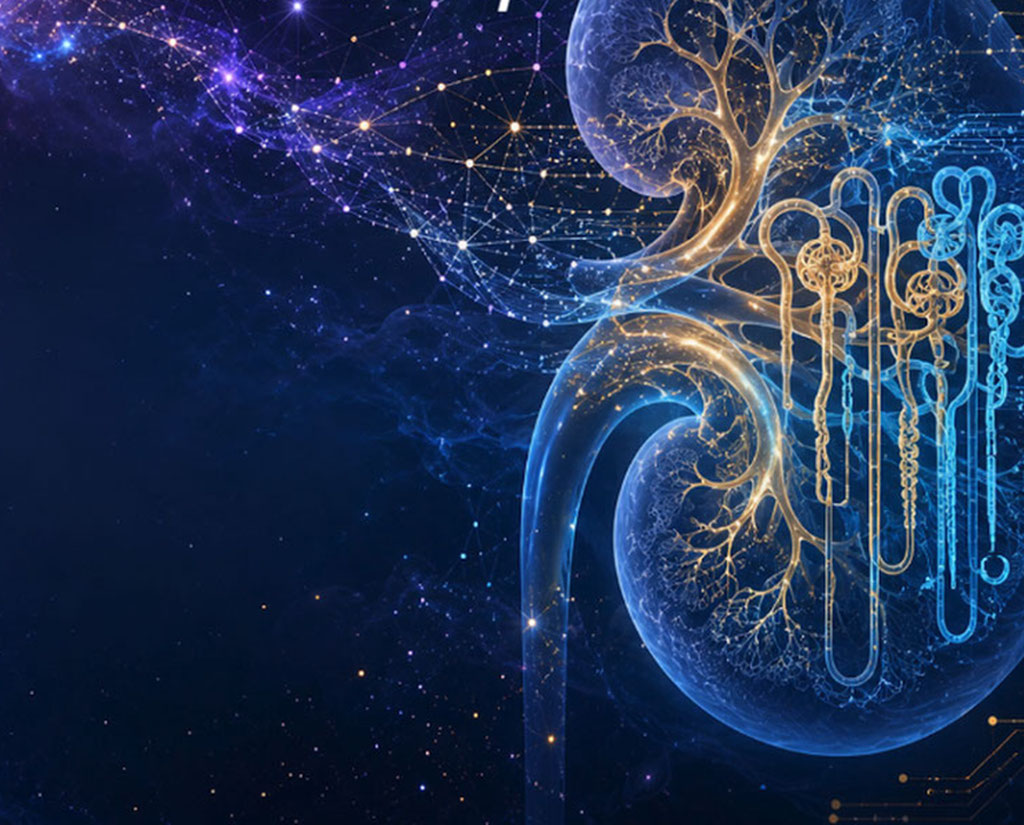
A kidney biopsy holds extraordinary life-saving potential. Sliced thin and stained in vibrant colors, each fragment of tissue provides a crucial window into how a transplanted organ is performing. Today, dedicated pathologists work tirelessly under tight timeframes to evaluate these slides, determining whether rejection is present and guiding vital treatment decisions. Since every second counts for transplant patients, equipping clinicians with smarter, faster tools represents one of the most exciting opportunities in modern medicine.
Transforming the Pathology Landscape
Renal pathology is a field driven by specialized expertise and complex pattern recognition. Currently in kidney transplant evaluation, medical experts rely on the Banff criteria. This criteria is a continually evolving classification system to diagnose subtle variations in tissue health. While borderline cases can present challenges even for top specialists, this complexity highlights the tremendous potential for collaborative, data-driven innovations to bring new clarity and consensus to transplant care globally.
Biological processes naturally exist on a dynamic continuum. By bridging human expertise with innovative computational tools, we can capture the full spectrum of tissue data and empower pathologists with unprecedented precision.
The Power of What Machine Learning Has Already Achieved
Recent advances in computational pathology demonstrate just how powerful deep learning can be. Modern AI models can instantly segment individual glomeruli across whole-slide images. This is a task that once required hours of painstaking manual effort. Algorithms can now distinguish between antibody-mediated and T-cell-mediated rejection with impressive accuracy, while advanced feature extraction pipelines uncover quantitative metrics on immune cell density and tissue architecture that were previously invisible during standard visual review.
This progress is transforming research workflows at leading transplant centers and establishing a firm foundation for the next wave of diagnostic innovation.
The Next Frontier: Moving from Classification to True Discovery
As successful as today's models are, they represent only the beginning. Currently, supervised learning excels at recognizing established, pre-defined categories. The next bold frontier is to move beyond pre-existing labels and empower AI models to detect novel, previously undescribed patterns of tissue injury directly from raw image data.
What pathology AI accomplishes today:
- Classifies tissue samples into known categories with high reproducibility
- Automates time-consuming measurements with speed and scale
- Flags recognized abnormalities rapidly to support clinical decision-making
The inspiring opportunity ahead:
- Designing algorithms that identify unique biological signatures beyond existing taxonomies
- Helping expand diagnostic frameworks to cover complex, borderline cases
- Pioneering unsupervised and self-supervised approaches that unlock new therapeutic insights
Unlocking this potential requires a shift in how we approach machine learning model design. By building systems that analyze tissue from first principles, solvers and researchers have a unique chance to shape the future of pathology and discover new disease subtypes that could revolutionize patient care.
Your Opportunity to Drive Medical History
With the high incidence of kidney disease worldwide, the need for innovative diagnostic tools has never been greater. By joining forces, data scientists, AI innovators, and medical researchers can directly improve long-term organ survival and transform lives.
The tissue data holds answers that are waiting to be uncovered and your innovation could be the key to finding them!
Ready to make a difference? Take on the challenge and help shape the next era of medicine by joining the Kidney Artificial Intelligence Discovery Challenge: From Nebulae to Nephrons today!