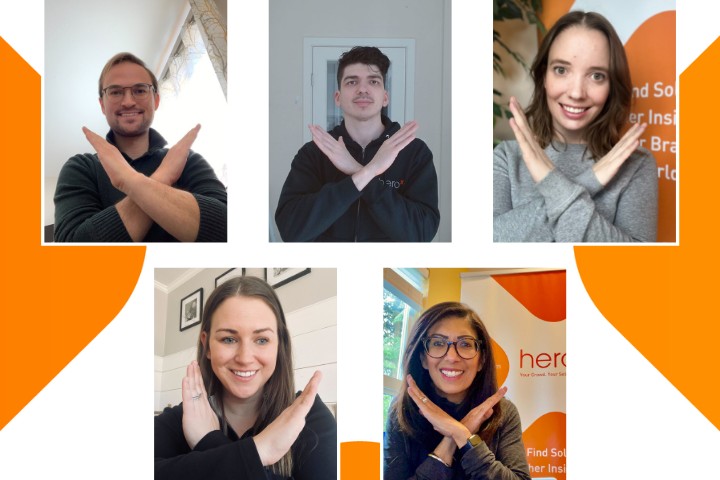
Gender Bias, whether it is unconscious or not, is still extremely prevalent in many places and behaviours. Over the years, there have been many social movements and organizations founded for the sole purpose to break these cycles of bias. There have been undeniable improvements in awareness, but we have not yet arrived at a world that is free of gender bias, inequality, and stereotypes.
We all have a stake in this cause, and the good news is that we have the ability to spark change. For some the difficulty is not having a place to start, or not knowing how to lead your team, company, or organization in the right direction and still achieve results. Crowdsourcing is a prime example of something that can “level the playing field” and help cure systems and processes that tend to be susceptible to gender bias. As a company that lives and breathes crowdsourcing on a daily basis, we decided to highlight just a few thoughts for how crowdsourcing helps to break the bias.
1. Emphasis on the solution and not the person
A crowdsourcing project is a “call for solutions” at its crux. Anyone can enter regardless of expertise, race, experience or any other characteristic (e.g. gender) you can think of. Some of the most novel solutions can come from the most unexpected places, and by requiring certain certifications or skill, you may be missing out on a ton of value. So the focus in crowdsourcing is always on the solution - not the solution’s source - and the majority of crowdsourcing platforms are designed to highlight just that.
2. Invest in good designers
An effective crowdsourcing project is all about making sure the project’s design will result in outcomes that meet the desired need. We all have our own biases, and even if we are aware of them, we may not have the tools to identify or break out from them. Our crowdsourcing project designers work hard to ask the right questions when working with clients. This prevents clients from overly narrowing their scope to a specific type of solution (and often a specific source of solutions) when creating their crowdsourcing challenge.
3. Make it Global!
When it comes to pursuing the best and most novel ideas, geography matters less. As mentioned, often the most compelling solutions come from the most unexpected places and by inviting the world to participate, you might just be thrilled with the response you get from all corners of the world. For example, at HeroX we ensure inclusivity by sourcing challenges from everywhere so anyone can find their interest on our platform. Having a plethora of different crowdsourcing projects that people can opt into, combined with a system that focuses on the solution rather than the person submitting the solution, encourages participation and for people to be agents of change.
Crowdsourcing to #breakthebias
The above are just some of the characteristics that makes crowdsourcing a 100% open system that invites absolutely anyone to participate with a reduced chance of being subjected to gender (or any other types) of bias. At HeroX, we are proud of the way we invite the world to participate in all sorts of challenges. This is how we are helping #breakthebias.