The Challenge
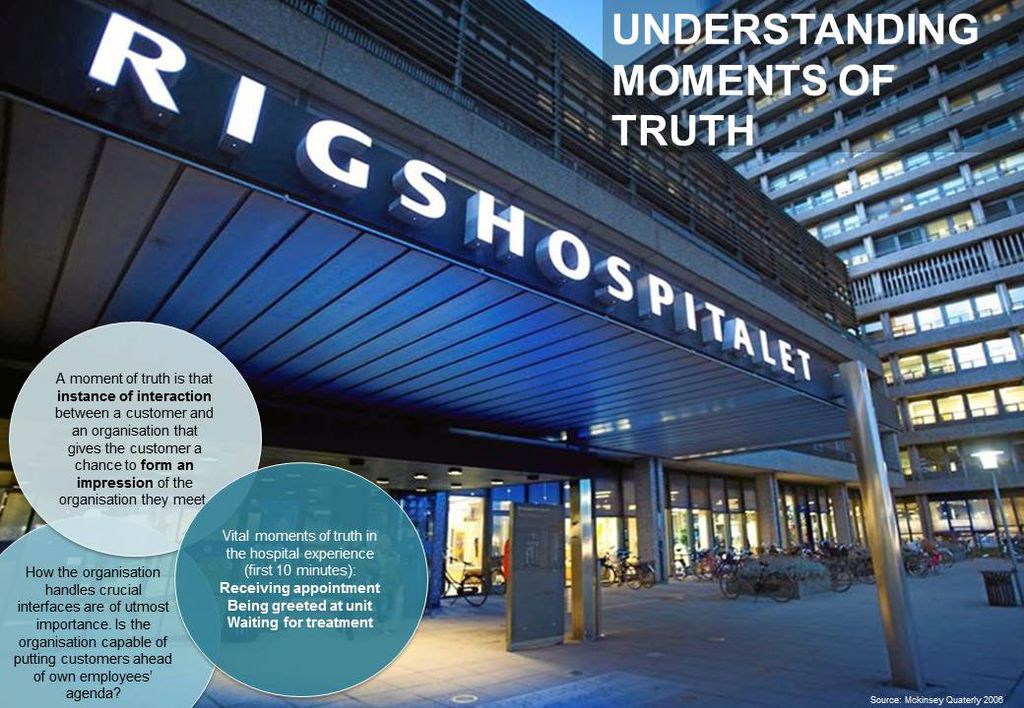
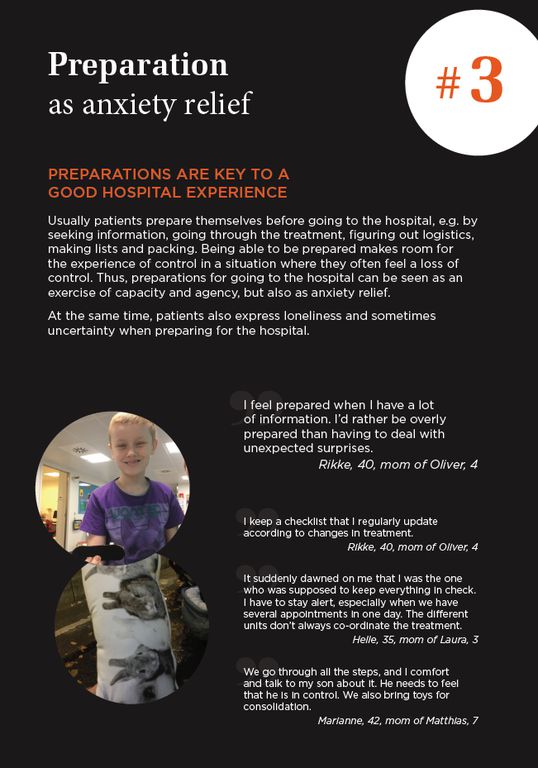
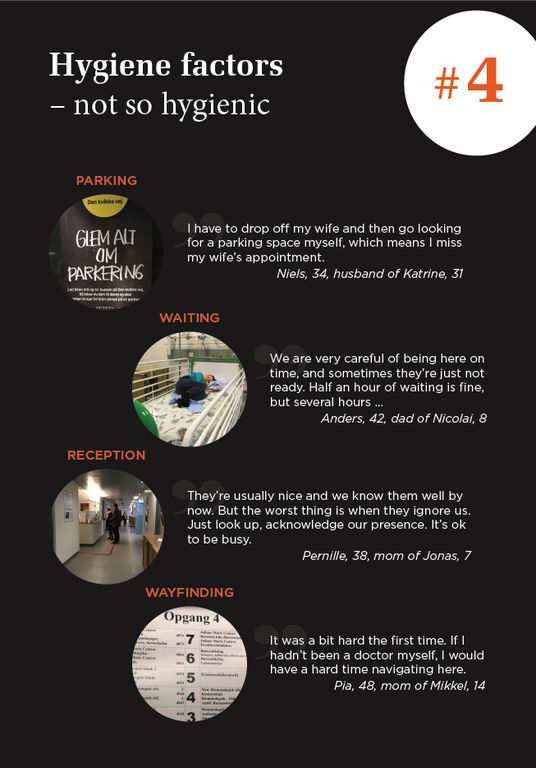
How do we make the first 10 minutes the best 10 minutes of the hospital experience?
We are asking you for your best ideas to help us build a healthier future for women and children. We ask you to be bold, be creative, challenge the status-quo and use our five design principles as inspiration. The primary design principle is integrated play so we encourage both playful ideas and playful approaches in presenting them (we love visuals). The ideas can use the elements of behaviour, technology, and/or interior.
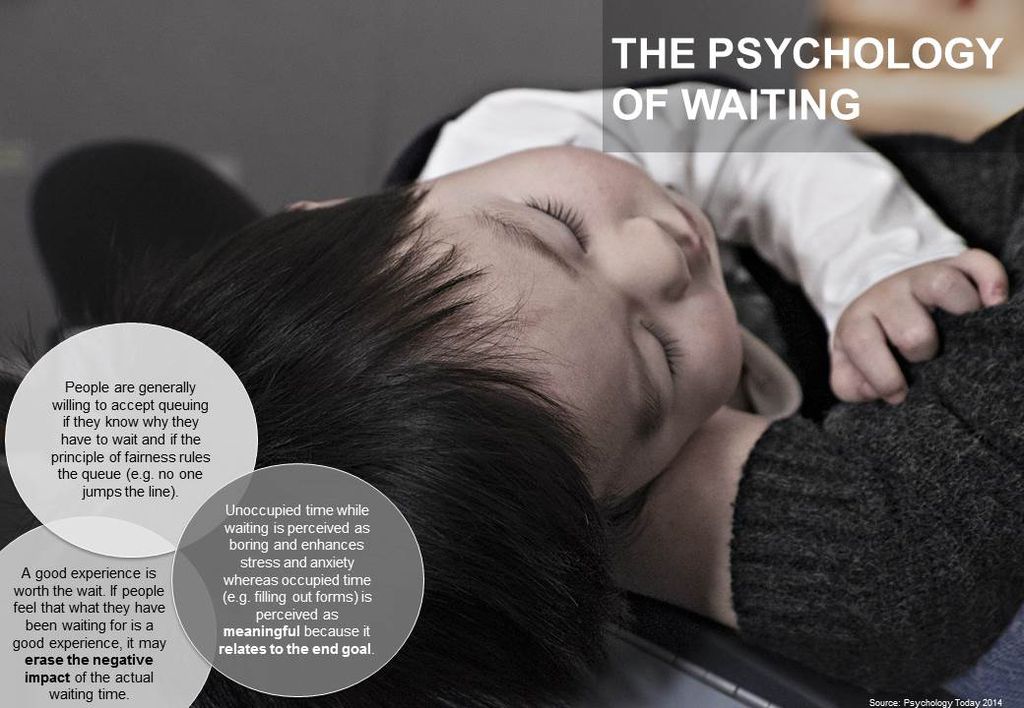
The first 10 minutes refers to the experience of arriving at the hospital including: appointment, preparation, arrival, wayfinding, reception, waiting and whatever else you imagine falling within that initial contact with the hospital. This is the scope of this specific challenge - and our first step in building the world's best children and women's hospital together with you.
Please review our guidelines before you submit an idea.
Be aware that the introduction video to this challenge shows our overall ambition whereas the focus of this challenge is simply on the first 10 minutes of the hospital visit.
We are building the world's best children's hospital. Nothing Less.
We will give the term ‘hospital’ a whole new meaning. We do not simply want to follow developments in healthcare technology, IT, functional design and sustainability. We want to be the very vanguard of such innovation. Innovative processes must give us new solutions that benefit patients and relatives as well as hospital professionals.
Good care starts with great experience
Sooner or later, we will experience illness ourselves or someone close to us will fall ill. For children, the experience is shocking.
However, it does not have to be traumatic. With a serious illness, the child’s initial contact point is its meeting with the healthcare system. If the experience is negative, chaotic and painful, it will not only hamper treatment of the actual illness but affect the person for the rest of their life. Conversely, if the experience is positive, the mechanism is the same – albeit with a very different result.
Kids will be kids - even when they are sick. We want to support their fantastic traits, their curiosity, their creativity and intuition of understanding the world.
It is not only about their treatment, but also about the way they are being treated!
Almost better than an idea? Help us spread the word
- Click on the "Share" button or social media icons above to share this challenge with your friends, your family, or anyone you know who has a passion for discovery.
- Click "Follow the Challenge" above to be notified of any status updates to the challenge.
- Click "Yes Sign Me Up!" above to register for the challenge. You will be notified of any status updates and be able to create an entry to the challenge when it opens.
- Leave a comment in our Comments Thread to join the conversation, ask questions or connect with other innovators.
Additional rules
Who can participate:
The challenge is open to everyone who wishes to help create a healthier future for women and children. Because we know that great ideas often come from unexpected directions, we encourage people with all diferent kinds of backgrounds and ages to participate. You could be an architect, a philosopher, entrepreneur, student, behavioural nudger or simply a parent.
Selection of Winner:
Based on the winning criteria, the best idea will be awarded a total of $2,000. The winner will be selected at the discretion of the Judging Panel.
Voting:
All votes are subject to review. Any competitor using unfair methods to solicit votes will be automatically disqualified from the challenge.
Registration and Submissions:
All Teams/individuals must be registered by 8PM (UTC+1) to be eligible for the prize.
All Team submission materials must be submitted online before 12th December, 2016 at 8PM (UTC+1). No submissions will be accepted after this time. Incomplete submissions will not be accepted. All submissions must be received online, via the Challenge website, and all uploads can be in PDF format only. Submission reporting requirements are detailed in Judging.
Challenge Guidelines are subject to change. Registered competitors will receive notification when changes are made, however, we highly encourage you to visit the Challenge Site often to review updates.
Five Design Principles
This idea competition is part of a larger project of building the world's finest women and children's hospital in Copenhagen, Denmark. As part of this project we have developed five design principles that guide you as an innovator to come up with creative solutions (read more here)
1. Integrated play
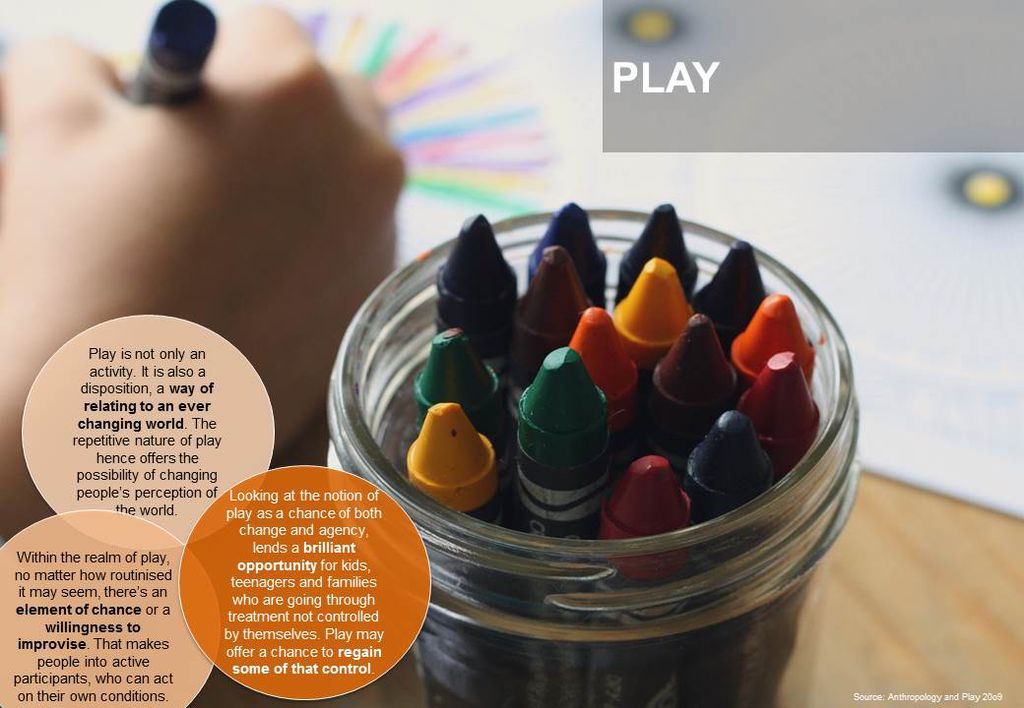
Children do not stop playing ‘simply’ because they become ill. Play must therefore be an integral part of the hospital design as well as of activities and processes in the new facility. This is not just a matter of providing play areas and offering play breaks, but rather of integrating play in the entire patient pathway. A child’s acceptance of his or her illness and treatment may be aided by play activities where the child is treating another person or a toy animal. Play must be an all-pervasive theme throughout a patient’s stay at the hospital. We will take play seriously.
2. Designed for everyday life
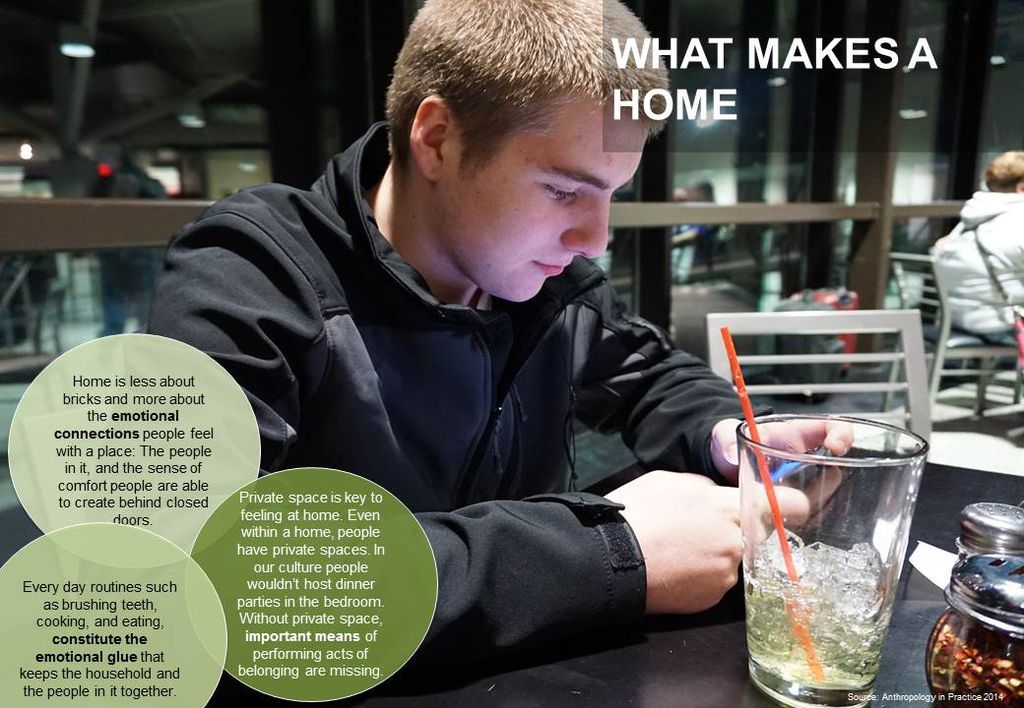
Everyday life is real life. We have to eliminate the feeling of life being at a standstill during hospitalisation. The world inside must be in tune with the world outside. Family rooms enable families to continue everyday routines and activities: they can prepare and eat food, go to the cinema or sit on a sofa watching TV together. Those are little things, but they relate to everyday life and hence to real life.
3. See me, ask me, let me
Children and adolescents have the same basic need for recognition as adults. Their feeling of being able to take control of their own situation can and should be stimulated in as many ways as possible in order to reinforce and enhance the patients’ own resources and skills.
4. The good journey
Patients should experience a coherent, coordinated process without any troublesome transitions between departments, clinics, centres and sectors. Coherence and coordination should be an all-pervasive theme in the new hospital facilities, which should not only be characterised by ground breaking architecture but also by a completely new approach to logistics and functionality. The objective is to provide tailored intelligent treatment pathways to each individual patient – children, adolescents and adults alike.
5. Clearly defined zones
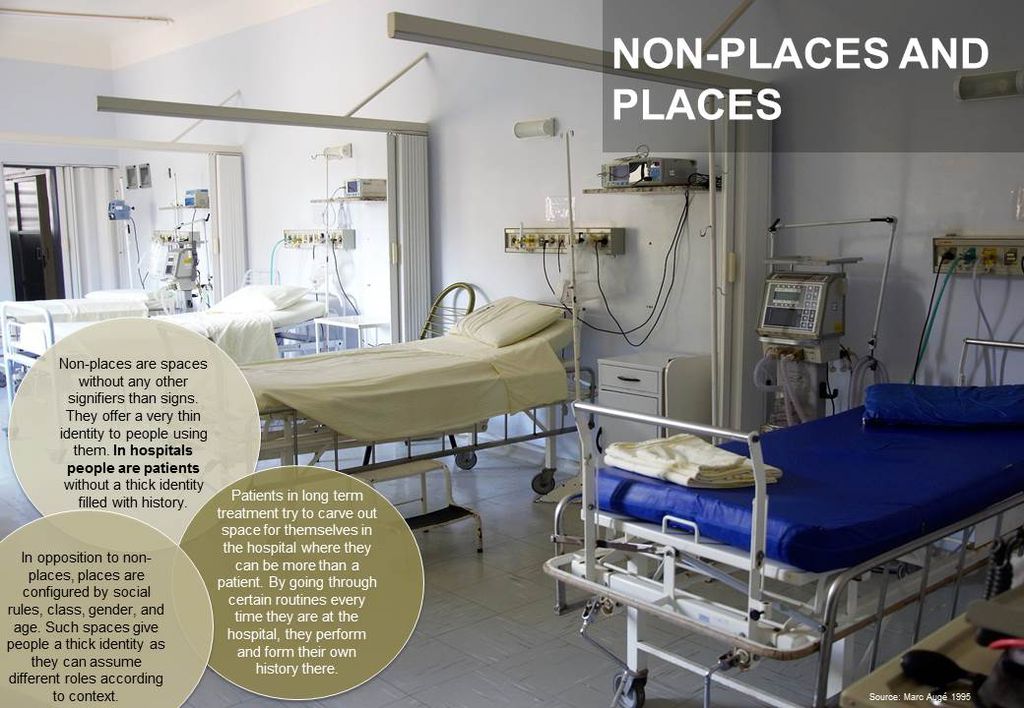
Wayfinding in the new building must be intuitive. The building is to feature architecture, technology, materials and colour schemes that tell people what they should, can and may do. The architecture must be created from within, and the architects must work with the people who literally have their finger on the pulse: the people who want a quiet place where they can get to know their delicate newborn baby, and the people who know when a quick change of scenario is needed in the event of complications during childbirth.

Anyone can submit an idea
We are looking for a broad range of ideas taking inspiration for expected but also unexpected fields. We defined the elements of the ideas to be within technology, behaviour and/or interior design. In other words it could for example be - a greeting robot, a new welcome ritual, or a reception zone in form of a pirate ship - the limit is your imagination.

How to submit an idea
The submission form will ask you to cover the following areas
- Give your idea a catchy headline
- Describe your idea in a very short description
- Tell us about your idea as a story where you imagine your idea in the context of a specific situation.
- How can it be implemented? Who could be partners or suppliers?
You can also attach an image to your idea to visualise it - please go crazy we love visuals! Note: All entries are public - please share your entry with your network and encourage them to vote.