Problem Statement
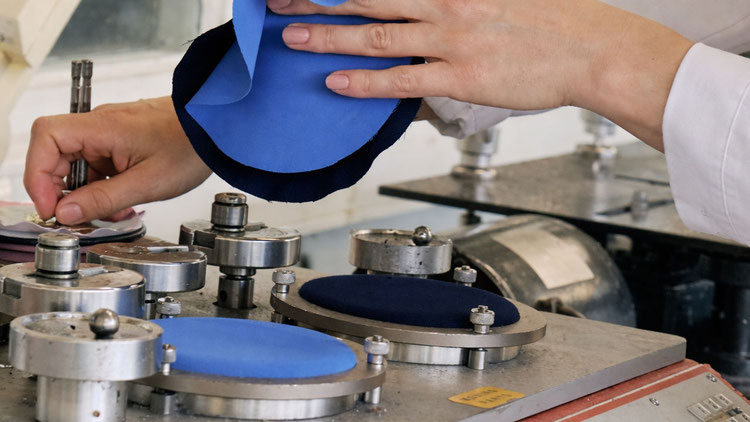
The basic question to be solved is the formation of pilling in fabrics intended for the fashion industry. The challenge consists of reducing pilling without compromising the comfort or appearance of the fabric. The focus is on the factors that influence pilling, like the typology of the fibre, yarn construction, woven density, and finishing treatments.
Current Solutions
Currently, there is no integrated tool that relates all these parameters in a simple and structured way. · The relative impact of each parameter on pilling formation. · The interaction between parameters across different process phases and their influence on pilling formation. · The most effective predictive models for pilling tendencies. · The most effective approach for presenting this information to the user is in an intuitive, and practical format. · Development of textile fabrics with enhanced performance and durability. · Reduction of experimental trials to improve pilling classification. · Support for technical and strategic decision-making. · Enhancement of customer satisfaction. · Strengthening sustainability commitment. · Achieving competitive differentiation through innovation.
Pain Point
Develop an integrated, explainable model that correlates fibre, yarn, construction, and wet and mechanical-processing parameters with pilling test outcomes, estimates each parameter’s relative influence, and simulates changes per stage to predict the expected pilling class and key trade-offs (time/energy/cost, handle). Material scope : Woven fabrics developed from blends of polyester, viscose, wool, and elastane, in which polyester represents the predominant proportion, using spun yarns made from staple fibres. The solution should enable users to simulate changes at different stages of the production process and analyze their impact on the final behavior of the woven.
To see the full challenge and submit your solution, please go to : https://platform.inocrowd.com.pt/challenges/48978?utm_source=HeroX
Intellectual Property
Innovator will retain all intellectual property rights to their technology.